
What Are Fibroids?
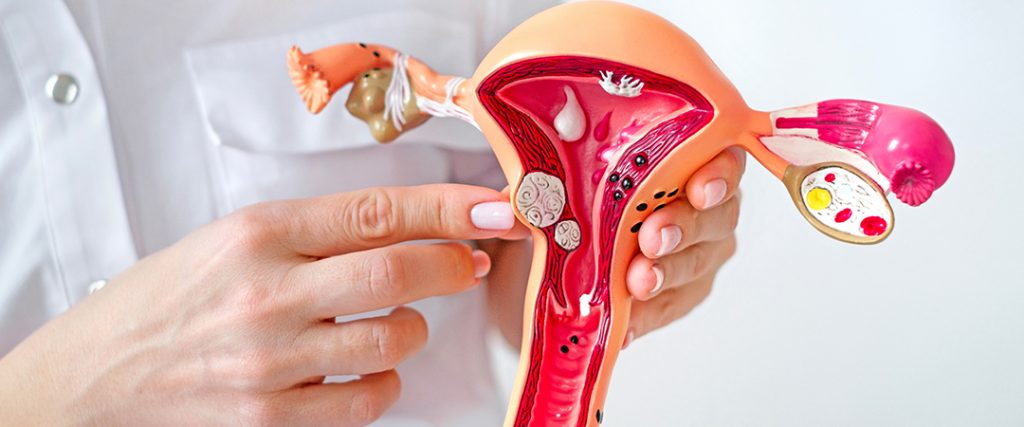
Fibroids, also known as uterine leiomyomas or myomas, are non-cancerous growths that develop within the uterus. They can vary in size, number, and location, potentially causing a range of symptoms such as heavy menstrual bleeding, pelvic pain, frequent urination, and complications during pregnancy. Although some women with fibroids experience no symptoms, others may find their daily life significantly impacted.
When is Fibroid Surgery Necessary?
Fibroid surgery is considered when:
- Severe Symptoms: Persistent pain, heavy menstrual bleeding, and significant pelvic pressure that interfere with daily activities.
- Rapid Growth: Fibroids growing rapidly, which can be concerning for potential complications.
- Infertility: Fibroids contributing to difficulties in conceiving or carrying a pregnancy to term.
- Other Treatments Have Failed: Non-surgical options such as medication or less invasive procedures have not provided relief.
Types of Fibroid Surgery
1. Myomectomy
Myomectomy is a surgical procedure to remove fibroids while preserving the uterus. This option is suitable for women who wish to maintain their fertility.
- Abdominal Myomectomy: Involves an open abdominal incision to access and remove fibroids.
- Laparoscopic Myomectomy: A minimally invasive approach using small incisions and a camera to guide the removal of fibroids.
- Hysteroscopic Myomectomy: Performed through the vagina and cervix, using a hysteroscope to remove fibroids located within the uterine cavity.
2. Hysterectomy
Hysterectomy involves the removal of the uterus and is considered a definitive solution for fibroids. It is typically recommended for women who do not wish to retain their fertility.
- Total Hysterectomy: Removal of the entire uterus, including the cervix.
- Subtotal Hysterectomy: Removal of the upper part of the uterus, leaving the cervix intact.
- Radical Hysterectomy: Removal of the uterus, surrounding tissue, and possibly the ovaries and fallopian tubes.
Benefits of Fibroid Surgery
- Symptom Relief: Surgery can effectively alleviate symptoms such as heavy bleeding, pelvic pain, and pressure, significantly improving quality of life.
- Fertility Preservation: Myomectomy allows for the removal of fibroids while preserving the uterus, enabling women to retain their fertility.
- Definitive Treatment: Hysterectomy offers a permanent solution, eliminating the possibility of fibroid recurrence.
Preparing for Surgery
Preparation for fibroid surgery includes:
- Medical Evaluation: A thorough assessment of medical history, physical examination, and imaging tests such as ultrasound or MRI to determine the size, number, and location of fibroids.
- Preoperative Instructions: Fasting, medication adjustments, and other instructions provided by the surgeon.
- Discussing Expectations: Understanding the procedure, potential risks, benefits, and expected recovery process.
The Surgical Procedure
The specific surgical approach depends on the type of surgery chosen. General steps include:
- Anesthesia: General or regional anesthesia is administered to ensure patient comfort.
- Surgical Access: Depending on the procedure, access is gained through the abdomen, small incisions, or the vaginal route.
- Fibroid Removal: The surgeon carefully removes the fibroids, ensuring minimal impact on surrounding tissues.
- Closure: Incisions are closed using sutures or surgical staples, and a dressing is applied.
Recovery and Aftercare
Recovery time varies depending on the type of surgery performed:
- Myomectomy: Recovery typically takes a few weeks, with patients advised to avoid heavy lifting and strenuous activities.
- Hysterectomy: Recovery may take several weeks to a few months, with similar activity restrictions.
Postoperative care includes:
- Pain Management: Medications to manage pain and discomfort.
- Monitoring for Complications: Regular follow-up visits to ensure proper healing and address any complications.
- Lifestyle Adjustments: Gradual return to normal activities and adherence to postoperative instructions.
Choosing the Right Surgeon
Selecting an experienced and skilled surgeon is crucial for successful fibroid surgery. Dr. Sankar Dasmahapatra, a renowned gynecologist in Kolkata, specializes in fibroid surgery and offers personalized care tailored to each patient’s needs. With his expertise, patients can expect compassionate and comprehensive treatment, ensuring the best possible outcomes.
Conclusion
Fibroid surgery offers a viable solution for women suffering from the symptoms of uterine fibroids. By understanding the types of surgery, their benefits, and the recovery process, women can make informed decisions about their treatment options. Under the expert care of specialists like Dr. Sankar Dasmahapatra, patients can achieve significant relief from fibroid-related symptoms and improve their overall quality of life.