
Introduction to Hysteroscopic Surgery
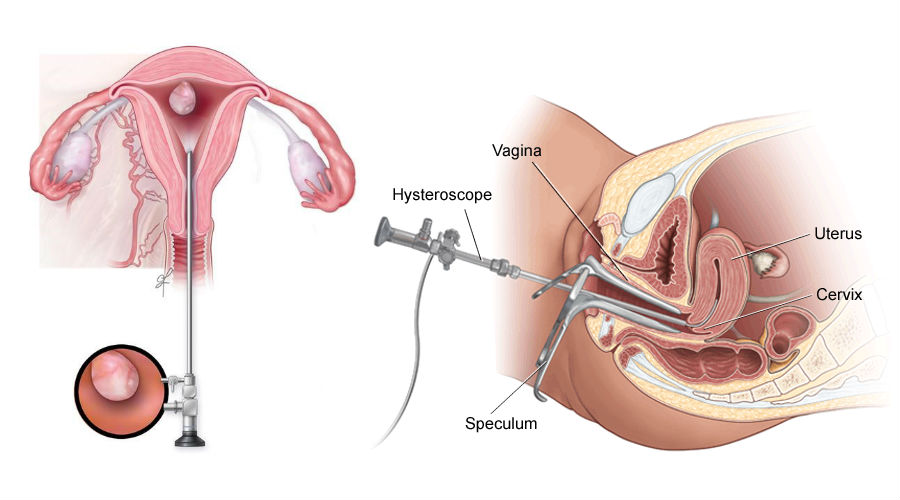
Hysteroscopic surgery is a minimally invasive procedure that allows gynecologists to diagnose and treat various intrauterine conditions. Utilizing a hysteroscope—a thin, lighted tube equipped with a camera and surgical tools—surgeons can access the uterine cavity through the vagina and cervix without the need for external incisions. This advanced technique is highly effective for both diagnostic and therapeutic purposes, providing numerous benefits over traditional surgical methods.
Types of Hysteroscopic Procedures
1. Diagnostic Hysteroscopy
Diagnostic hysteroscopy is used to examine the inside of the uterus to identify abnormalities that may be causing symptoms such as abnormal bleeding, infertility, or recurrent miscarriages. It is often performed in an outpatient setting and can help diagnose conditions like polyps, fibroids, adhesions, and congenital anomalies.
2. Operative Hysteroscopy
Operative hysteroscopy involves the use of specialized instruments to treat various uterine conditions. Some common procedures include:
- Polypectomy: Removal of polyps, which are benign growths on the uterine lining.
- Myomectomy: Removal of fibroids (myomas) that protrude into the uterine cavity.
- Adhesiolysis: Cutting and removal of adhesions (scar tissue) within the uterus.
- Endometrial Ablation: Destruction of the uterine lining to treat heavy menstrual bleeding.
- Septum Resection: Correction of a uterine septum, a congenital anomaly that can cause infertility or miscarriages.
Advantages of Hysteroscopic Surgery
1. Minimally Invasive
One of the primary benefits of hysteroscopic surgery is its minimally invasive nature. Unlike traditional open surgery, hysteroscopy requires no external incisions, leading to less postoperative pain, reduced risk of infection, and faster recovery times.
2. Precision and Accuracy
The camera on the hysteroscope provides high-resolution images of the uterine cavity, allowing for precise diagnosis and treatment of abnormalities. This level of accuracy ensures that only the affected areas are treated, preserving healthy tissue.
3. Shorter Hospital Stay
Most hysteroscopic procedures are performed on an outpatient basis, meaning patients can go home the same day. Even more complex procedures typically require only a short hospital stay, making it a convenient option for many women.
4. Improved Outcomes
Hysteroscopic surgery has high success rates and low complication rates. It effectively treats a wide range of conditions with minimal disruption to a woman’s daily life.
Preparation and Procedure
Preoperative Preparation
Before undergoing hysteroscopic surgery, patients typically undergo a thorough medical evaluation, including a review of their medical history and any necessary imaging studies. Preoperative instructions may include fasting and arranging for transportation home after the procedure.
The Procedure
Hysteroscopic surgery is usually performed under local, regional, or general anesthesia, depending on the complexity of the procedure and patient preference. The steps include:
- Insertion of the Hysteroscope: The hysteroscope is gently inserted through the vagina and cervix into the uterine cavity.
- Visualization: Saline or another distending medium is used to expand the uterine cavity, providing a clear view.
- Diagnosis and Treatment: The surgeon examines the uterine cavity and performs the necessary treatment using specialized instruments.
- Completion: After the procedure, the hysteroscope and instruments are removed, and the patient is monitored during recovery.
Postoperative Care and Recovery
Recovery from hysteroscopic surgery is generally quick. Patients may experience mild cramping, spotting, or discharge for a few days. Pain relief can be managed with over-the-counter medications, and most women can resume normal activities within a few days. Follow-up appointments ensure proper healing and assess the success of the procedure.
Conclusion
Hysteroscopic surgery represents a significant advancement in gynecological care, offering a safe, effective, and minimally invasive option for diagnosing and treating a variety of uterine conditions. Its precision, reduced recovery time, and high success rates make it a preferred choice for both patients and healthcare providers. By choosing hysteroscopic surgery, women can achieve optimal outcomes with minimal disruption to their lives, ensuring better reproductive health and overall well-being.