
Endometriosis: Understanding the Condition, Symptoms and Treatment
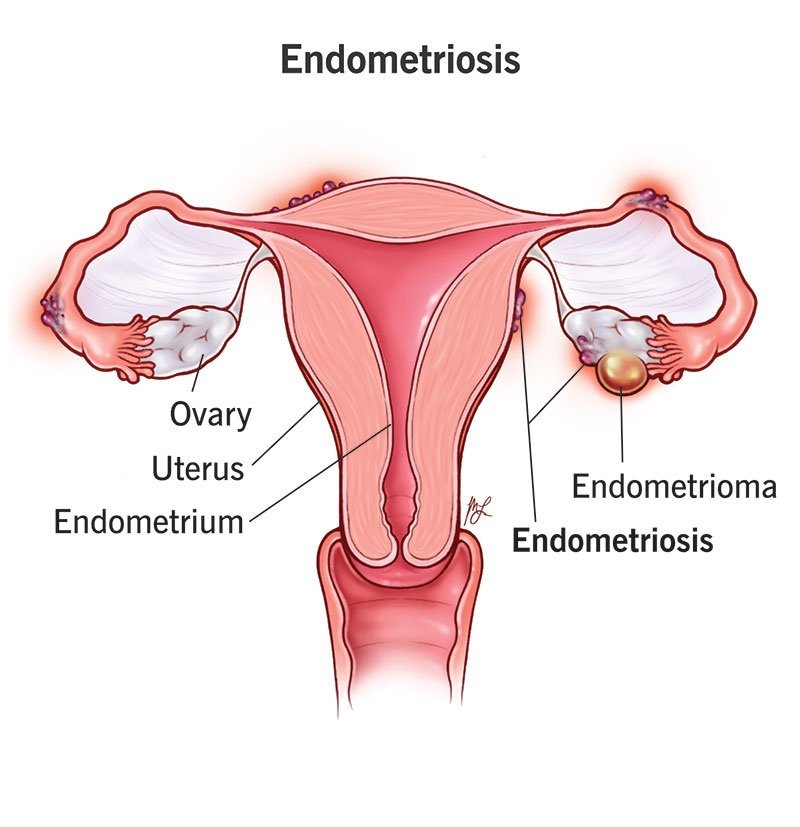
Endometriosis is a common gynaecological condition that can cause pelvic pain, painful periods, pain during intercourse and difficulty becoming pregnant. It occurs when tissue similar to the lining of the uterus grows outside the uterus, commonly around the ovaries, fallopian tubes and pelvic tissues.
What is endometriosis?
Normally, the inner lining of the uterus changes during the menstrual cycle and is shed during menstruation. In endometriosis, tissue similar to the uterine lining is found outside the uterus.
These deposits can respond to hormonal changes during the menstrual cycle, leading to inflammation, irritation, scar tissue and adhesions.
Endometriosis can range from mild superficial disease to deep infiltrating endometriosis, where disease involves structures such as the bowel, bladder, ureters or pelvic ligaments.
What are the common symptoms?
Symptoms vary considerably from one woman to another. Some women may have extensive endometriosis with relatively few symptoms, while others may experience severe pain.
Common symptoms include:
- Severe or progressively painful periods
- Chronic pelvic pain
- Pain during or after sexual intercourse
- Pain during bowel movements, particularly during menstruation
- Pain while passing urine, particularly during menstruation
- Lower back or abdominal pain
- Bloating and bowel discomfort
- Difficulty becoming pregnant
- Fatigue and reduced quality of life
Severe period pain that repeatedly interferes with work, studies, sleep or daily activities should not simply be considered “normal.”
Can endometriosis cause infertility?
Yes. Endometriosis may affect fertility in several ways. Inflammation, adhesions and ovarian involvement can interfere with the normal anatomy and function of the reproductive organs.
However, having endometriosis does not mean that pregnancy is impossible. Many women with endometriosis conceive naturally, while others may benefit from surgical treatment or fertility treatment depending on their age, ovarian reserve, disease severity and other fertility factors.
How is endometriosis diagnosed?
Diagnosis begins with a detailed medical history and pelvic examination when appropriate.
Imaging, particularly expert transvaginal ultrasound, can be very useful for identifying ovarian endometriomas and many forms of deep endometriosis. MRI may be recommended in selected patients, especially when deep disease is suspected.
A normal scan does not always completely exclude endometriosis.
The diagnosis and treatment plan should therefore be based on the patient’s symptoms, examination, imaging findings and fertility goals, rather than on a single test alone.
What are the treatment options?
Treatment is individualised. It depends on symptoms, age, fertility plans, ovarian reserve, extent of disease and previous treatment.
1. Medicines
Pain-relieving medicines and hormonal treatments may help control symptoms and suppress endometriosis activity.
Hormonal options may include combined hormonal contraception, progestogen-based treatment and other hormonal therapies.
2. Surgery
- Surgery may be considered when there is:
- Severe or persistent pain despite medical treatment
- Endometrioma or significant ovarian disease
- Deep infiltrating endometriosis
- Significant adhesions or distorted pelvic anatomy
- Bowel, bladder or ureteric involvement in selected cases
- Infertility in appropriately selected patients
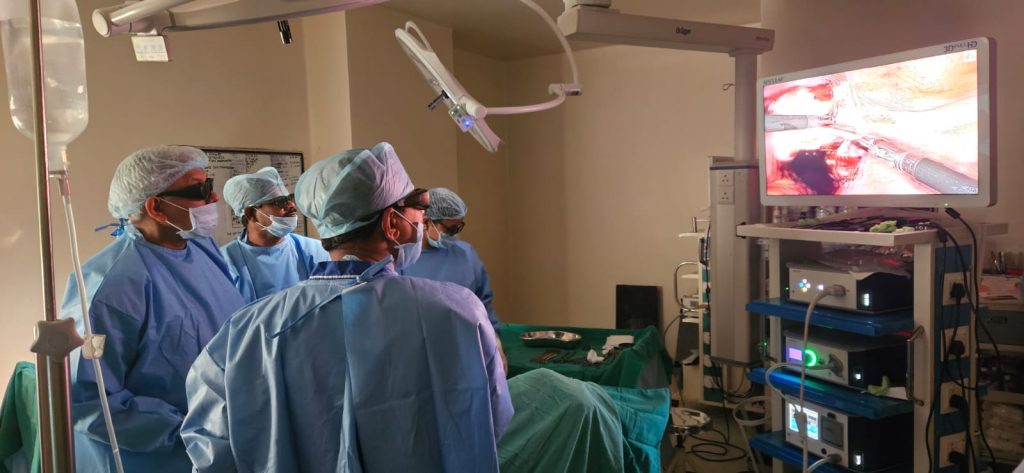
Laparoscopic surgery can allow identification and treatment of endometriotic lesions, adhesions and endometriomas while aiming to preserve healthy reproductive organs whenever possible.
Complex deep endometriosis surgery should be carefully planned, particularly when the bowel, bladder or ureters are involved.
Does endometriosis always require surgery?
No.
Not every woman with endometriosis needs surgery. Many patients can achieve good symptom control with medical treatment and appropriate follow-up.
The decision should be individualised rather than based solely on the stage of endometriosis.
Can endometriosis come back?
Endometriosis is a chronic condition and symptoms or disease can recur after treatment.
Long-term management may therefore include medical treatment, lifestyle measures, monitoring and reassessment when symptoms change.
When should you see a gynaecologist?
Consider seeking medical advice if you experience:
- Period pain that is severe or worsening
- Persistent pelvic pain
- Pain during intercourse
- Pain associated with bowel or urinary symptoms during periods
- Difficulty becoming pregnant
- An ovarian cyst suspected to be an endometrioma
- Symptoms that significantly affect your daily life
Remember
Painful periods are common—but disabling period pain is not something you should simply learn to live with.
Early evaluation can help identify endometriosis and allow an appropriate treatment plan based on your symptoms, fertility wishes and individual circumstances.
This article is for general patient education and does not replace an individual consultation, examination or medical advice.
Book a Consultation
Schedule your consultation today with Dr. Sankar Dasmahapatra, now available at a leading hospital in Kolkata.
 Dial: (+91) 87776 13551 / 92306 16647 / 98300 78757
 WhatsApp: 98300 78757
Recent Post
-
 Can Every Mother Have a Normal Delivery? Factors That Influence Birth October 6, 2026 21:40
 -
 How to Prepare Your Body for a Healthy Pregnancy - Dr. Sankar Dasmahapatra October 3, 2026 20:16
 -
 Treatment and Recovery After Miscarriage and Ectopic Pregnancy September 27, 2026 20:32
 -
 PCOS কেন বাড়ছে? আধুনিক জীবনযাপন, খাবার ও স্ট্রেসের সঙ্গে এর সম্পর্ক September 24, 2026 19:17
 -
 Understanding Gynae Laparoscopic Surgery in Kolkata: A Modern Approach to Women’s Health September 22, 2026 14:51