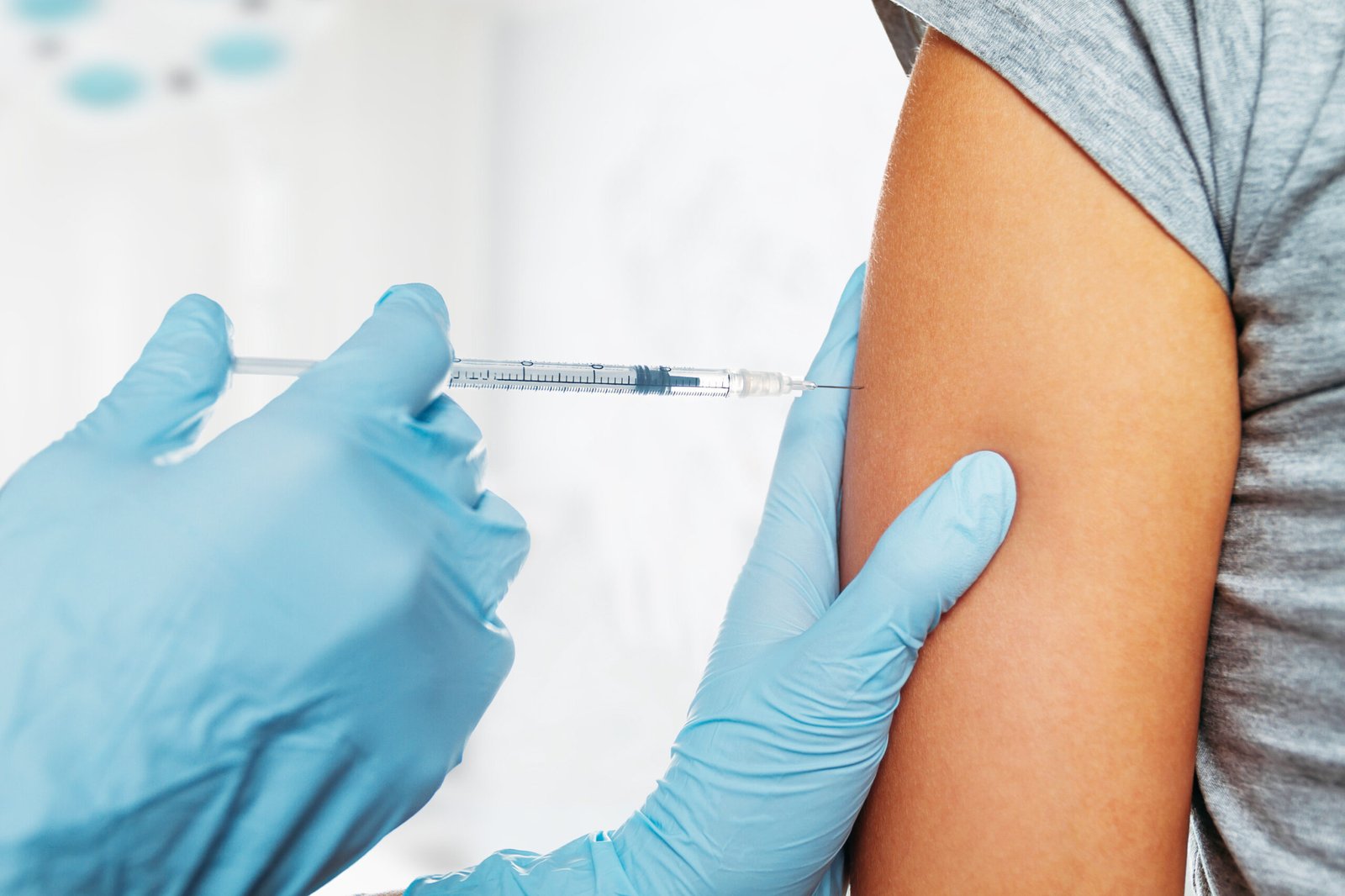
HPV Vaccination: Protecting Against Cervical Cancer and HPV-Related Diseases
Human papillomavirus (HPV) vaccination is one of the most important tools available for preventing HPV infection and HPV-related cancers. HPV is extremely common, and vaccination can provide strong protection when given before exposure to the virus.
What is HPV?
Human papillomavirus (HPV) is a group of more than 200 related viruses. Some HPV types cause common skin warts, while certain high-risk types can cause cancers.
Persistent infection with high-risk HPV types is the major cause of cervical cancer. HPV is also associated with cancers of the vagina, vulva, anus, penis and oropharynx.
HPV is mainly transmitted through intimate skin-to-skin or sexual contact. A person can acquire HPV even without having symptoms.

What is the HPV vaccine?
The HPV vaccine helps the immune system develop protection against HPV types that are responsible for a large proportion of HPV-related cancers and genital warts.
It is a preventive vaccine. It helps prevent new HPV infections but does not treat an existing HPV infection or an established HPV-related disease.
Why is HPV vaccination important?
Cervical cancer is largely preventable through a combination of:
HPV vaccination + appropriate cervical cancer screening + timely management of precancerous lesions.
Vaccination substantially reduces the risk of infection with vaccine-targeted HPV types and therefore reduces the risk of HPV-related precancerous changes and cancers.
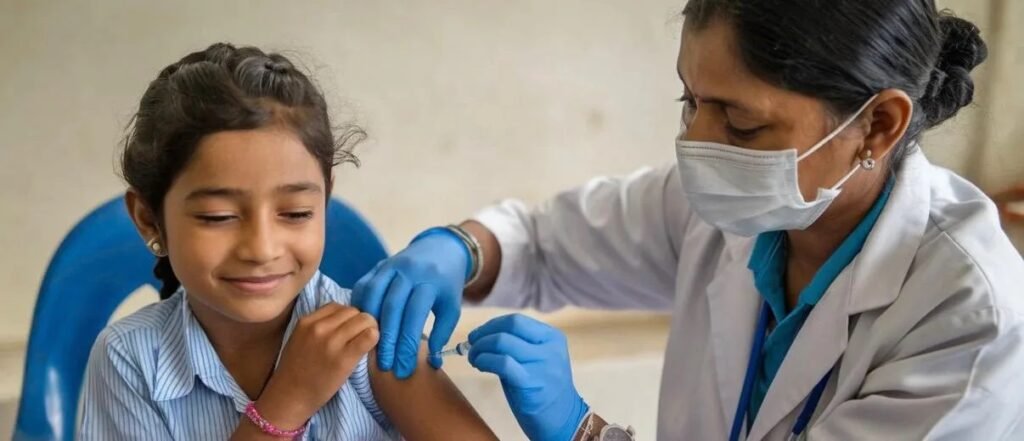
Who should receive the HPV vaccine?
HPV vaccination is routinely recommended for children and adolescents, ideally before exposure to HPV.
Vaccination can also benefit some older adolescents and adults who have not previously been vaccinated. The potential benefit depends on age, previous vaccination and likelihood of previous HPV exposure.
Because recommendations and approved age ranges can vary by country and vaccine, the vaccination schedule should be discussed with a qualified healthcare professional.
Can adults take the HPV vaccine?
Yes. Some adults who were not vaccinated earlier may still benefit from HPV vaccination.
However, vaccination at an older age generally provides less benefit than vaccination before HPV exposure because a person may already have been exposed to one or more HPV types.
The vaccine can still protect against HPV types to which the person has not previously been exposed.
How many doses are required?
The number of doses depends on the age at vaccination, immune status and the specific vaccination schedule recommended by local guidelines.
A healthcare professional can advise you about the appropriate schedule.
It is important to complete the recommended number of doses for optimal protection.
Can the HPV vaccine cause HPV infection?
No.
HPV vaccines do not contain live HPV capable of causing infection. Therefore, the vaccine cannot give you HPV.
Does HPV vaccination affect fertility?
Current evidence does not show that HPV vaccination causes infertility.
Preventing HPV-related cervical disease may actually help protect reproductive health by reducing the likelihood of developing cervical precancer and cancer and the need for treatments that can sometimes affect the cervix.
Is HPV vaccination safe?
HPV vaccines have been extensively studied and are generally well tolerated.
Common side effects may include:
Pain, redness or swelling at the injection site
- Mild fever
- Headache
- Tiredness
- Muscle aches
Occasionally, fainting can occur after vaccination, particularly in adolescents. This is why sitting or lying down for a short period after vaccination is often advised.
Severe allergic reactions are rare.
Can someone who has already had HPV receive the vaccine?
Yes, in many cases.
Having had an HPV infection does not necessarily mean that a person has been exposed to all HPV types covered by the vaccine. Vaccination may therefore still provide protection against other vaccine-targeted types.
However, the vaccine does not clear an existing HPV infection.
Is HPV vaccination necessary if cervical screening is done regularly?
Yes. Both are important.
HPV vaccination reduces the risk of infection and HPV-related disease, while cervical screening helps detect HPV infection or precancerous changes that may already be present.
Vaccination should therefore not be considered a replacement for recommended cervical cancer screening.
Can HPV vaccination completely prevent cervical cancer?
No vaccine provides 100% protection.
HPV vaccination protects against important HPV types, but cervical cancer can occasionally occur because of HPV types not covered by a particular vaccine or because infection occurred before vaccination.
Therefore, vaccinated women should continue recommended cervical cancer screening.
Who should discuss vaccination with a doctor before receiving it?
Medical advice is particularly important for people with:
- A history of severe allergic reaction to a previous HPV vaccine dose or a vaccine component
- Certain immune-system conditions
- Pregnancy
- Significant acute illness at the time of vaccination
HPV vaccination is generally not recommended during pregnancy. If vaccination is discovered to have been given during pregnancy, this is not considered a reason for intervention; remaining doses are generally postponed until after pregnancy.
HPV vaccination and boys
HPV vaccination is not only for girls.
Vaccinating boys can help protect them from HPV-related diseases and cancers and can also contribute to reducing HPV transmission within the population.
Key message
HPV vaccination is an important investment in long-term health.
For maximum preventive benefit, vaccination should ideally be given before exposure to HPV, but eligible adolescents and adults who have not been vaccinated may still benefit.
Remember:
Vaccinate. Screen. Prevent.
If you or your child is due for HPV vaccination, consult a qualified healthcare professional to determine the appropriate vaccine and schedule.
This article is intended for general patient education. Vaccination recommendations, age indications and dosing schedules may vary according to national guidelines, vaccine availability and individual medical circumstances. Please consult your doctor for personalised advice.
Book a Consultation
Schedule your consultation today with Dr. Sankar Dasmahapatra, now available at a leading hospital in Kolkata.
 Dial: (+91) 87776 13551 / 92306 16647 / 98300 78757
 WhatsApp: 98300 78757
Recent Post
-
 Can Every Mother Have a Normal Delivery? Factors That Influence Birth October 6, 2026 21:40
 -
 How to Prepare Your Body for a Healthy Pregnancy - Dr. Sankar Dasmahapatra October 3, 2026 20:16
 -
 Treatment and Recovery After Miscarriage and Ectopic Pregnancy September 27, 2026 20:32
 -
 PCOS কেন বাড়ছে? আধুনিক জীবনযাপন, খাবার ও স্ট্রেসের সঙ্গে এর সম্পর্ক September 24, 2026 19:17
 -
 Understanding Gynae Laparoscopic Surgery in Kolkata: A Modern Approach to Women’s Health September 22, 2026 14:51