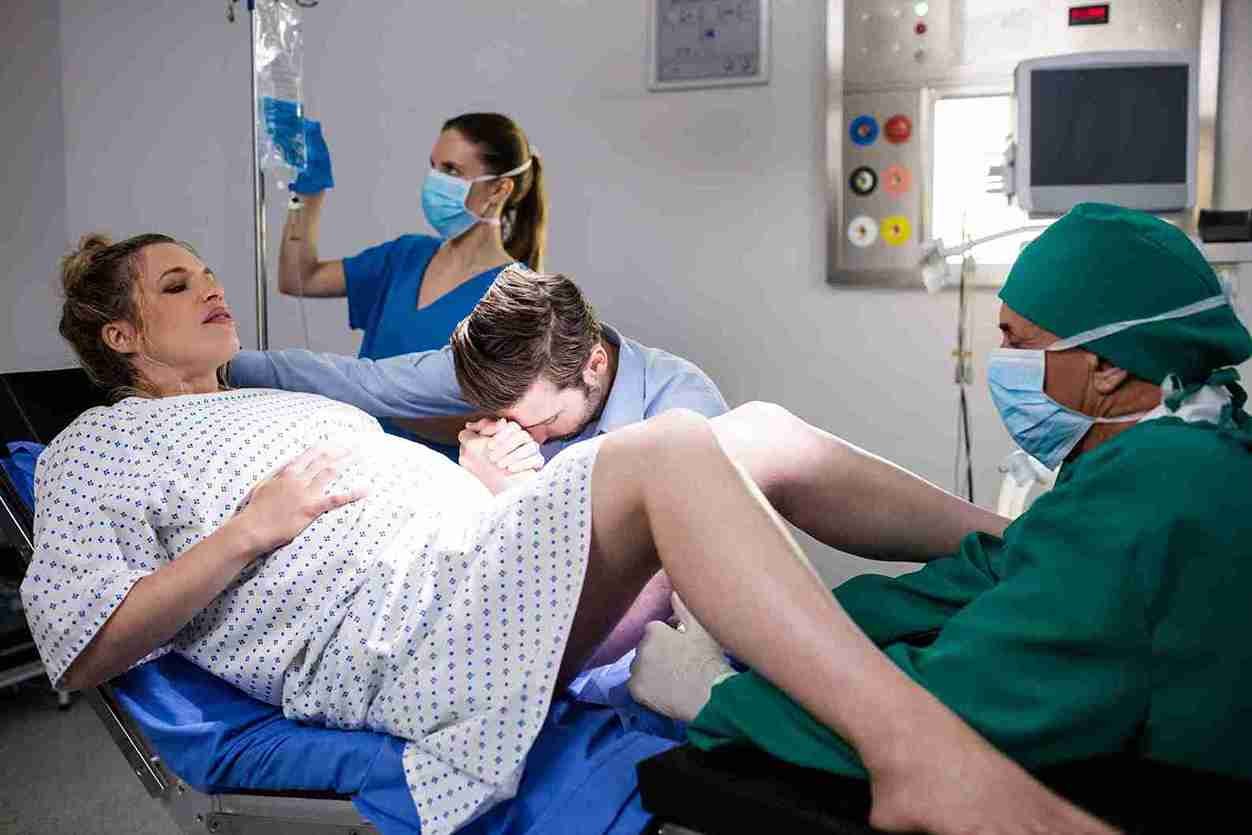
Can Every Mother Have a Normal Delivery? Factors That Influence Birth
For many expectant mothers, a normal vaginal delivery is often the preferred way to welcome their baby. However, every pregnancy is different, and there is no single delivery method that is right for every woman. Whether a mother can have a normal delivery depends on several factors involving her health, the baby’s position, pregnancy progress and the circumstances during labour.
If you are preparing for childbirth, understanding these factors can help you set realistic expectations and make informed decisions with your doctor.

What Is a Normal Delivery?
A normal delivery, also called vaginal delivery, occurs when the baby is delivered through the birth canal without the need for a caesarean operation. It may involve natural labour or medically assisted labour, depending on the situation.
While vaginal birth can have several advantages, it is important to remember that a caesarean section is sometimes the safest option for the mother or baby. The primary goal is always a healthy delivery and the well-being of both.
Factors That Can Influence the Possibility of Normal Delivery
1. Baby’s Position
The baby’s position inside the uterus plays an important role. Babies who are positioned head-down, particularly with the head facing the appropriate direction for labour, generally have a better chance of vaginal birth.
A breech or transverse position may make vaginal delivery more difficult or unsafe in certain circumstances. Your doctor will assess the baby’s position as pregnancy progresses.
2. Baby’s Size
The estimated size and weight of the baby can influence delivery planning. A larger baby does not automatically mean that a normal delivery is impossible, but your doctor may consider the baby’s size along with the mother’s pelvic anatomy and other pregnancy factors.
Ultrasound estimates are not always exact, so they are considered together with the overall clinical picture.
3. Mother’s Health
The mother’s general health and any pregnancy-related conditions can affect the delivery plan. Conditions such as high blood pressure, diabetes or certain complications may require closer monitoring.
Good antenatal care helps identify potential concerns early and allows your doctor to plan appropriately.
4. Pelvic Factors
The baby’s head needs to pass through the mother’s pelvis during vaginal delivery. The shape and size of the pelvis, together with the baby’s position and the way labour progresses, can influence whether vaginal delivery is possible.
However, pelvic assessment alone cannot always predict the outcome of labour.
5. Previous Caesarean Section
Having had a previous C-section does not necessarily mean that every future birth must be by C-section. In selected women, vaginal birth after caesarean (VBAC) may be considered.
However, the decision depends on factors such as the reason for the previous C-section, the type of uterine incision, previous delivery history and the current pregnancy. This should always be discussed carefully with your obstetrician.
6. Progress of Labour
Sometimes pregnancy may appear suitable for vaginal delivery, but labour may not progress as expected. If the cervix does not dilate adequately or the baby does not descend despite appropriate management, the medical team may need to reconsider the delivery plan.
Continuous monitoring during labour helps doctors identify such situations.
7. Baby’s Heart Rate and Well-Being
During labour, your baby’s heart rate may be monitored to assess how the baby is tolerating contractions. Certain changes in the baby’s heart rate may indicate that the baby is experiencing distress.
If there are significant concerns about the baby’s well-being, an urgent delivery, including a C-section, may sometimes be necessary.
Can You Increase Your Chances of a Normal Delivery?
While no one can guarantee a normal delivery, maintaining a healthy pregnancy can help prepare your body for childbirth. Regular antenatal check-ups, appropriate physical activity when advised, a balanced diet, adequate rest and following your doctor’s recommendations can all be beneficial.
Attending childbirth education or antenatal classes may also help you understand labour, breathing techniques, pain-relief options and what to expect during delivery.
Normal Delivery Should Not Be the Only Goal
It is natural to hope for a vaginal birth, but expecting mothers should avoid feeling that a C-section represents a failure. Sometimes a caesarean is the safest medical decision for the mother, baby or both.
The method of delivery should be decided based on the individual pregnancy rather than pressure from family, social expectations or fear of surgery.
Consult an Experienced Gynaecologist
Every pregnancy has its own circumstances. A detailed assessment during regular antenatal visits can help your doctor understand your pregnancy and discuss the most appropriate delivery plan.
If you are looking for a gynaecologist in Kolkata for pregnancy and childbirth care, choose a doctor who listens to your concerns, explains your options clearly and prioritises the safety of both mother and baby.
Ultimately, the goal is not simply a normal delivery—it is a safe delivery and a healthy mother and baby.
Recent Post
-
Can Every Mother Have a Normal Delivery? Factors That Influence Birth October 6, 2026 21:40
-
 How to Prepare Your Body for a Healthy Pregnancy - Dr. Sankar Dasmahapatra October 3, 2026 20:16
-
 Treatment and Recovery After Miscarriage and Ectopic Pregnancy September 27, 2026 20:32
-
 PCOS কেন বাড়ছে? আধুনিক জীবনযাপন, খাবার ও স্ট্রেসের সঙ্গে এর সম্পর্ক September 24, 2026 19:17
-
 Understanding Gynae Laparoscopic Surgery in Kolkata: A Modern Approach to Women’s Health September 22, 2026 14:51