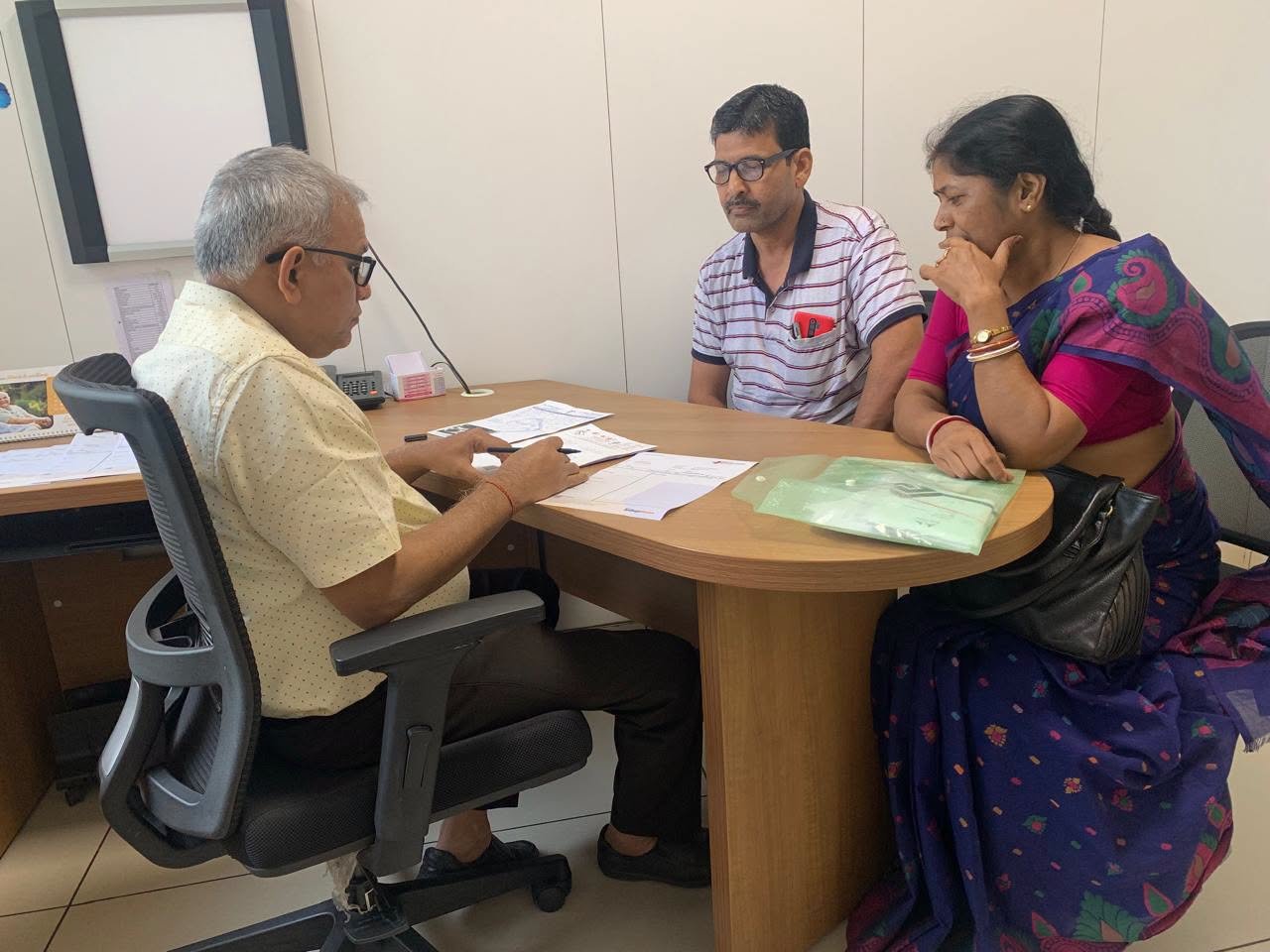
How to Prepare Your Body for a Healthy Pregnancy – Dr. Sankar Dasmahapatra
Planning to have a baby is an exciting step, but preparing for pregnancy is about more than simply stopping contraception and waiting for a positive test. Giving your body some time to prepare can help you enter pregnancy in a healthier condition and allow potential health concerns to be addressed early.
As a gynaecologist in Kolkata, Dr. Sankar Dasmahapatra often advises women to think about pre-pregnancy health as an important part of pregnancy care. Small, consistent changes in your daily routine can make a meaningful difference.
Start Preparing Before You Conceive
Ideally, preparation should begin a few months before trying to become pregnant. This gives you enough time to review your health, improve your lifestyle and discuss any existing medical conditions or medications with your doctor.
A pre-pregnancy consultation can include a review of your menstrual cycle, previous pregnancies, medical history, vaccinations and current medications. Depending on your individual health, your doctor may also recommend certain tests.
Focus on a Balanced Diet
Good nutrition provides the building blocks your body needs before and during pregnancy.
Try to include a variety of:
- Fresh fruits and vegetables
- Whole grains
- Pulses, beans and other protein-rich foods
- Milk or suitable dairy alternatives
- Nuts and seeds
- Healthy sources of fats
Rather than following restrictive diets, focus on eating a balanced variety of foods. If you have anaemia, PCOS, diabetes, thyroid problems or another health condition, your nutritional needs may be different and should be discussed with your doctor.
Pay Attention to Folic Acid
Folic acid is particularly important before conception and during early pregnancy because it helps support the baby’s developing neural tube.
Women planning pregnancy are generally advised to take a folic acid supplement, but the appropriate dose can vary depending on individual circumstances. Speak with your gynaecologist about the right supplement and dose for you rather than choosing supplements randomly.
Maintain a Healthy Weight
Both being underweight and being overweight can sometimes affect reproductive health and pregnancy outcomes. A healthy weight can support regular ovulation and may reduce certain pregnancy-related risks.
If you are planning a pregnancy, avoid crash diets or sudden weight-loss programmes. A gradual approach involving nutritious food and regular physical activity is usually more sustainable.
Stay Physically Active
You don’t need an intense workout routine to prepare your body for pregnancy. Regular moderate activity such as walking, swimming, cycling or pregnancy-appropriate strength exercises can help improve overall fitness.
If you are currently inactive, start gradually. The goal is to build healthy habits that you can continue safely as your pregnancy progresses.
Avoid Smoking, Alcohol and Other Harmful Substances
If you are planning to conceive, avoiding smoking and alcohol is an important part of preparation. Exposure to tobacco smoke can affect reproductive health, while alcohol can pose risks during pregnancy.
It is also important to discuss any recreational drugs, supplements or non-prescription medicines with your doctor before trying to conceive.
Review Your Medicines and Health Conditions
Do not stop prescribed medication on your own simply because you are planning a pregnancy. Some medicines may need to be changed, while others may be completely appropriate to continue.
Conditions such as diabetes, high blood pressure, thyroid disorders, PCOS and epilepsy may require special planning before conception. Getting these conditions under appropriate control before pregnancy can help create a safer starting point.
Understand Your Menstrual Cycle
Knowing your menstrual cycle can help you understand when you are most likely to ovulate. For women with regular cycles, tracking periods and recognising changes in cervical mucus or other ovulation signs may be useful.
However, irregular periods can sometimes indicate an underlying hormonal or reproductive issue. If your periods are consistently irregular, very painful or unusually heavy, consider speaking with a gynaecologist rather than simply relying on fertility-tracking apps.
Don’t Ignore Mental Well-Being
Preparing for pregnancy isn’t only about physical health. Stress, poor sleep and emotional exhaustion can make this period more difficult.
Try to establish healthy sleep habits, make time for relaxation and talk openly with your partner about expectations and concerns. If anxiety or emotional distress becomes difficult to manage, professional support can be helpful.
When Should You See a Gynaecologist?
A preconception consultation can be particularly useful if you have irregular periods, PCOS, endometriosis, previous pregnancy complications, recurrent miscarriages or a long-term medical condition.
Women who are older than 35 may also benefit from discussing pregnancy planning with a doctor earlier, as fertility and certain pregnancy risks can change with age.
A consultation with an experienced gynaecologist in Kolkata can help you understand your individual health needs and identify areas that may need attention before conception.
A Healthy Pregnancy Begins Before the Positive Test
There is no need to make your pre-pregnancy journey complicated. Eating well, staying active, taking recommended supplements, avoiding harmful substances, managing existing health conditions and getting appropriate medical advice can help you prepare your body for pregnancy.
Every woman’s health and fertility journey is different. Instead of comparing yourself with others, focus on understanding your own body and getting the right guidance at the right time.
Dr. Sankar Dasmahapatra believes that good pregnancy care starts even before conception. If you are planning to start or expand your family, a pre-pregnancy consultation can be a valuable first step towards a healthier pregnancy journey.
Recent Post
-
 Can Every Mother Have a Normal Delivery? Factors That Influence Birth October 6, 2026 21:40
-
How to Prepare Your Body for a Healthy Pregnancy - Dr. Sankar Dasmahapatra October 3, 2026 20:16
-
 Treatment and Recovery After Miscarriage and Ectopic Pregnancy September 27, 2026 20:32
-
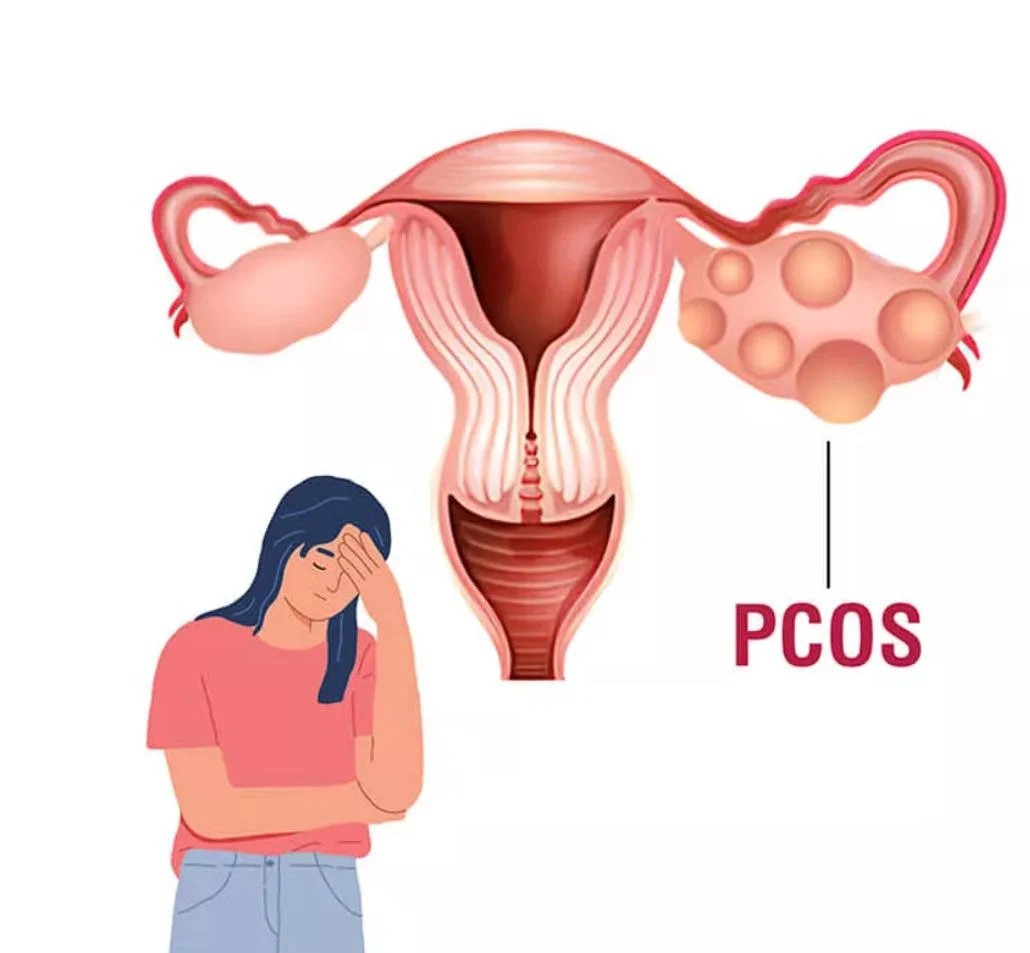 PCOS কেন বাড়ছে? আধুনিক জীবনযাপন, খাবার ও স্ট্রেসের সঙ্গে এর সম্পর্ক September 24, 2026 19:17
-
 Understanding Gynae Laparoscopic Surgery in Kolkata: A Modern Approach to Women’s Health September 22, 2026 14:51