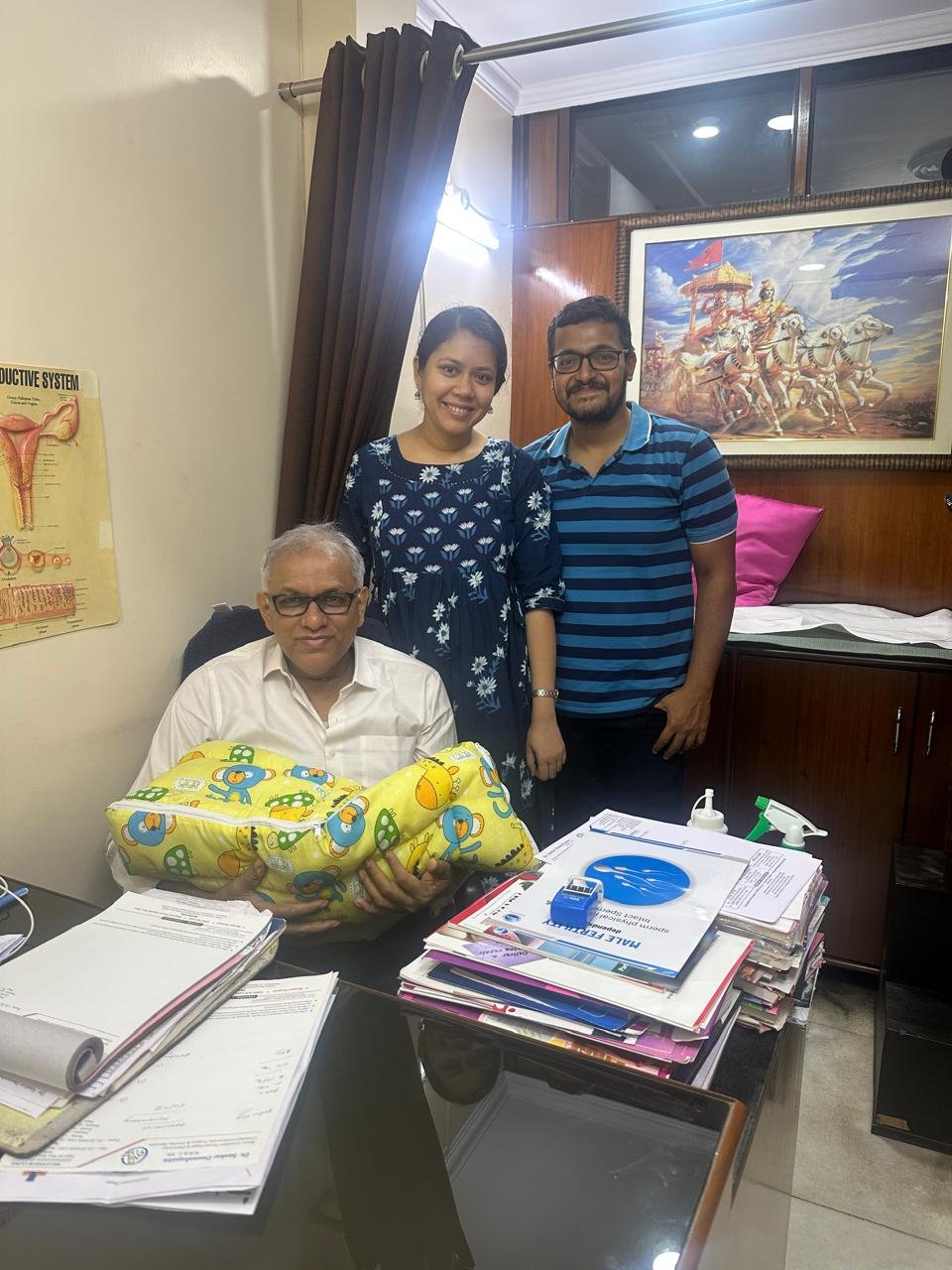
Treatment and Recovery After Miscarriage and Ectopic Pregnancy
A miscarriage or ectopic pregnancy can be a physically and emotionally difficult experience. While medical treatment focuses on managing the immediate pregnancy-related complications, recovery may continue for several weeks. Proper follow-up, adequate rest, and timely medical advice can help support a safe recovery and prepare the patient for future pregnancy when appropriate.
For women looking for a gynaecologist in Kolkata, Dr. Sankar Dasmahapatra provides consultation for a range of gynaecological and obstetric concerns, including pregnancy-related complications, recurrent miscarriage and infertility.

Treatment and Recovery After Miscarriage and Ectopic Pregnancy
Understanding Miscarriage
A miscarriage refers to the loss of a pregnancy before the baby can survive outside the uterus. It may occur because of chromosomal abnormalities in the pregnancy, although several other factors can sometimes contribute.
Symptoms may include vaginal bleeding, abdominal cramps, back pain, or passing tissue or fluid from the vagina. However, bleeding during pregnancy does not always mean that a miscarriage has occurred. Medical evaluation and appropriate investigations are important to determine what is happening.
Treatment After Miscarriage
Treatment depends on the patient’s condition and whether pregnancy tissue remains inside the uterus. Depending on the circumstances, management may include:
- Expectant management: In selected cases, the body may naturally complete the miscarriage without immediate intervention.
- Medication: Medicines may be prescribed to help the uterus expel remaining pregnancy tissue.
- Surgical treatment: A procedure may be recommended when there is significant bleeding, infection, retained pregnancy tissue, or when other treatment options are not suitable.
The appropriate approach should be decided after an individual medical assessment.
Understanding Ectopic Pregnancy
An ectopic pregnancy occurs when a fertilised egg implants outside the normal cavity of the uterus, most commonly in a fallopian tube. An ectopic pregnancy cannot develop normally and can become dangerous if the affected tube ruptures.
Possible symptoms include one-sided lower abdominal pain, vaginal bleeding, shoulder-tip pain, dizziness, or weakness. Severe abdominal pain, fainting, or heavy bleeding requires urgent medical attention.
Treatment for Ectopic Pregnancy
Treatment depends on factors such as the location and size of the ectopic pregnancy, pregnancy hormone levels, symptoms, and whether there is evidence of internal bleeding.
In selected cases, medication such as methotrexate may be considered. Some patients may require laparoscopic or other surgical treatment, particularly when there is rupture, significant internal bleeding, or medication is not appropriate.
Early diagnosis can help doctors determine the safest treatment option.
Recovery After Miscarriage or Ectopic Pregnancy
Physical recovery varies from person to person. Vaginal bleeding or spotting may continue for some time following a miscarriage or treatment for an ectopic pregnancy. Patients should follow their doctor’s instructions regarding physical activity, sexual intercourse, medication, and follow-up appointments.
Follow-up may include clinical assessment, ultrasound, or blood tests depending on the treatment received. After an ectopic pregnancy, monitoring pregnancy hormone levels until they return to the expected range can be an important part of follow-up.
Patients should also be alert to warning signs such as heavy bleeding, severe or increasing abdominal pain, fever, foul-smelling vaginal discharge, dizziness, or fainting and seek medical attention promptly if these occur.
Emotional Recovery Is Also Important
Pregnancy loss can affect women and their partners emotionally as well as physically. Feelings of sadness, anxiety, guilt, or uncertainty about a future pregnancy are common. There is no fixed timeline for emotional recovery.
Talking openly with a partner, family member, counsellor, or healthcare professional can be helpful. Experiencing a miscarriage does not necessarily mean that a woman will have difficulty having a healthy pregnancy in the future.
Planning a Future Pregnancy
The appropriate time to try for another pregnancy can vary depending on the individual’s medical condition and the treatment received. Women who have experienced recurrent miscarriages, an ectopic pregnancy, or fertility-related concerns may benefit from a detailed preconception consultation.
A doctor can review previous pregnancy history, medical conditions, medications, and relevant investigations before discussing plans for another pregnancy.
Consult Dr. Sankar Dasmahapatra in Kolkata
If you are searching for a gynaecologist in Kolkata for consultation after miscarriage or ectopic pregnancy, Dr. Sankar Dasmahapatra offers specialist care in gynaecology and obstetrics. He also provides consultation for infertility, recurrent miscarriage and other pregnancy-related concerns.
Every miscarriage and ectopic pregnancy is different. Appropriate medical evaluation, follow-up and personalised guidance can help patients understand their condition, recover safely, and make informed decisions about future reproductive health.
Recent Post
-
 Can Every Mother Have a Normal Delivery? Factors That Influence Birth October 6, 2026 21:40
-
 How to Prepare Your Body for a Healthy Pregnancy - Dr. Sankar Dasmahapatra October 3, 2026 20:16
-
Treatment and Recovery After Miscarriage and Ectopic Pregnancy September 27, 2026 20:32
-
 PCOS কেন বাড়ছে? আধুনিক জীবনযাপন, খাবার ও স্ট্রেসের সঙ্গে এর সম্পর্ক September 24, 2026 19:17
-
 Understanding Gynae Laparoscopic Surgery in Kolkata: A Modern Approach to Women’s Health September 22, 2026 14:51