
Laparoscopic Repair of Vault Prolapse: A Minimally Invasive Solution for Better Pelvic Support
Pelvic health plays a vital role in a woman’s comfort, confidence, and quality of life. One condition that can significantly affect daily activities is vault prolapse, a type of pelvic organ prolapse that may occur after a hysterectomy. Women with this condition often experience a feeling of heaviness, a bulge in the vagina, discomfort while walking, or difficulty with bladder and bowel functions.
Fortunately, advances in minimally invasive gynecological surgery have made treatment safer and more effective. Laparoscopic repair of vault prolapse offers excellent long-term results with less pain, smaller incisions, and faster recovery. If you are looking for the best laparoscopic gynae surgeon in Kolkata, understanding this procedure can help you make an informed decision about your health.
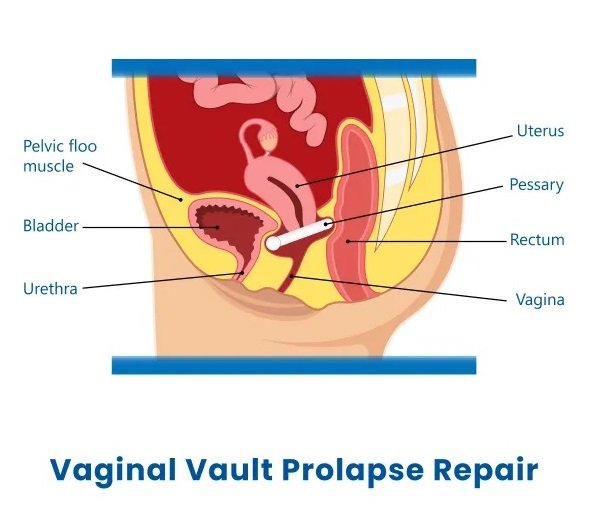
What Is Vault Prolapse?
The top portion of the vagina is called the vaginal vault. After a hysterectomy, the uterus is removed, and the vaginal vault is supported by surrounding ligaments and pelvic floor muscles. If these supporting structures become weak, the vaginal vault may gradually descend or bulge downward. This condition is known as vault prolapse.
Although it is not life-threatening, vault prolapse can interfere with everyday activities and significantly reduce a woman’s quality of life.
What Causes Vault Prolapse?
Several factors may increase the risk of developing vault prolapse, including:
- Previous hysterectomy
- Weak pelvic floor muscles
- Multiple vaginal deliveries
- Advancing age
- Menopause
- Chronic constipation
- Persistent coughing
- Obesity
- Heavy lifting over many years
Not every woman who has undergone a hysterectomy develops vault prolapse, but recognizing the symptoms early allows timely treatment.
Common Symptoms
Women with vault prolapse may experience:
- A feeling of something coming down through the vagina
- Pelvic heaviness or pressure
- Lower back discomfort
- Difficulty walking for long periods
- Pain or discomfort during intercourse
- Urinary leakage or difficulty emptying the bladder
- Constipation or difficulty passing stools
- Recurrent urinary infections
The severity of symptoms depends on the degree of prolapse.
How Is Vault Prolapse Diagnosed?
Diagnosis begins with a detailed medical history and pelvic examination. Your gynecologist evaluates the extent of the prolapse and checks for associated bladder or bowel involvement.
Additional investigations may include:
- Pelvic ultrasound
- Urine examination
- Urodynamic studies (in selected cases)
- MRI or other imaging when required
An accurate diagnosis helps determine the most appropriate treatment plan.
What Is Laparoscopic Repair of Vault Prolapse?
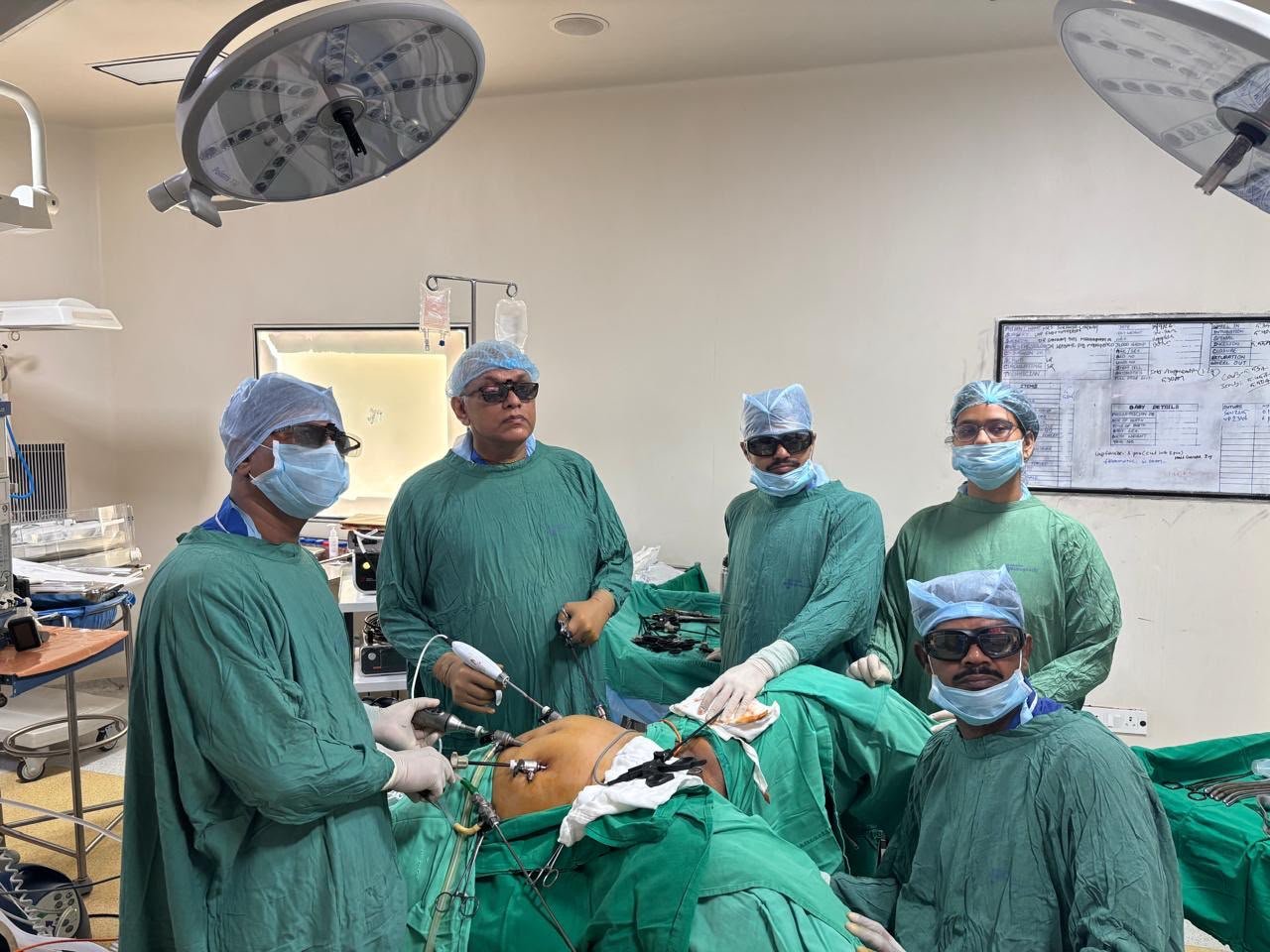
Laparoscopic repair is a minimally invasive surgical procedure performed through a few small incisions in the abdomen. Using a high-definition camera and specialized instruments, the surgeon restores the normal position of the vaginal vault and secures it using strong supporting ligaments or a surgical mesh when clinically appropriate.
One of the most commonly performed procedures is laparoscopic sacrocolpopexy, which provides durable support to the vaginal vault while preserving normal pelvic anatomy.
Benefits of Laparoscopic Repair
Compared with traditional open surgery, laparoscopic repair offers several advantages:
- Smaller incisions
- Less postoperative pain
- Minimal blood loss
- Reduced risk of wound complications
- Faster recovery
- Shorter hospital stay
- Better cosmetic results
- Earlier return to normal daily activities
For many women, laparoscopic surgery provides excellent long-term symptom relief and improved quality of life.
Recovery After Surgery
Most patients are encouraged to start walking within a few hours after surgery. Recovery is generally quicker than with open procedures.
During recovery, your doctor may advise you to:
- Avoid heavy lifting for several weeks
- Prevent constipation by maintaining a fibre-rich diet
- Stay well hydrated
- Perform pelvic floor exercises if recommended
- Attend scheduled follow-up appointments
Most women gradually return to their regular routine within a few weeks, depending on individual recovery and the nature of their work.
Can Vault Prolapse Be Prevented?
Although prevention is not always possible, certain lifestyle measures can reduce the risk of pelvic floor weakness:
- Maintain a healthy body weight
- Perform regular pelvic floor (Kegel) exercises
- Treat chronic cough promptly
- Avoid prolonged constipation
- Lift heavy objects carefully
- Stay physically active
These habits also help improve pelvic floor strength after treatment.
When Should You Consult a Gynecologist?
Seek medical evaluation if you notice:
- A vaginal bulge or protrusion
- Persistent pelvic pressure
- Difficulty passing urine or stools
- Pain during intercourse
- Symptoms that worsen while standing or walking
- Previous hysterectomy followed by pelvic discomfort
Early treatment often prevents progression and improves surgical outcomes.
Expert Laparoscopic Care by Dr. Sankar Dasmahapatra
Vault prolapse is a treatable condition, and modern laparoscopic surgery has transformed the way women recover from pelvic floor disorders. Early diagnosis and timely intervention can restore pelvic support, improve bladder and bowel function, and help women return to an active and comfortable life.
Dr. Sankar Dasmahapatra is experienced in advanced minimally invasive gynecological procedures, including laparoscopic management of pelvic organ prolapse. Every treatment plan is individualized based on the patient’s symptoms, overall health, and long-term goals.
If you are searching for the best laparoscopic gynae surgeon in Kolkata, consult Dr. Sankar Dasmahapatra for expert evaluation, advanced laparoscopic treatment, and compassionate care focused on your long-term pelvic health.
Book a Consultation
Schedule your consultation today with Dr. Sankar Dasmahapatra, now available at a leading hospital in Kolkata.
 Dial: (+91) 87776 13551 / 92306 16647 / 98300 78757
 WhatsApp: 98300 78757
Recent Post
-
 Can Every Mother Have a Normal Delivery? Factors That Influence Birth October 6, 2026 21:40
 -
 How to Prepare Your Body for a Healthy Pregnancy - Dr. Sankar Dasmahapatra October 3, 2026 20:16
 -
 Treatment and Recovery After Miscarriage and Ectopic Pregnancy September 27, 2026 20:32
 -
 PCOS কেন বাড়ছে? আধুনিক জীবনযাপন, খাবার ও স্ট্রেসের সঙ্গে এর সম্পর্ক September 24, 2026 19:17
 -
 Understanding Gynae Laparoscopic Surgery in Kolkata: A Modern Approach to Women’s Health September 22, 2026 14:51