
Can Endometriosis Affect Fertility? Everything You Need to Know
For many women, starting a family is an important part of life. But conditions affecting the reproductive system can sometimes make conception more difficult. Endometriosis is one such condition. It is relatively common and can affect women in different ways, from painful periods to difficulties with fertility.
Understanding the connection between endometriosis and fertility can help women seek timely evaluation and make informed decisions about treatment. Dr. Sankar Dasmahapatra provides specialised gynaecological care for women with endometriosis and fertility concerns, with treatment tailored to each patient’s individual condition.
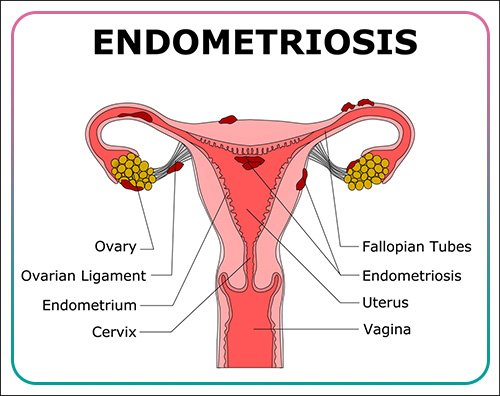
What Is Endometriosis?
Endometriosis is a condition in which tissue similar to the lining of the uterus grows outside the uterus. It may develop around the ovaries, fallopian tubes and other areas within the pelvis.
This tissue responds to hormonal changes during the menstrual cycle. Over time, repeated inflammation can contribute to irritation, scar tissue and adhesions within the pelvis.
Endometriosis can range from mild to extensive disease, and the severity of symptoms does not always correspond to the extent of the condition.
Can Endometriosis Affect Fertility?
Yes, endometriosis can affect fertility in some women, although having endometriosis does not mean that pregnancy is impossible.
Several factors may contribute to fertility difficulties. Inflammation associated with endometriosis can affect the pelvic environment. Adhesions or scar tissue may alter the normal position of the ovaries and fallopian tubes, while endometriosis involving the ovaries can sometimes affect ovarian reserve.
However, fertility varies significantly from one woman to another. Some women with endometriosis conceive naturally, while others may require medical or assisted reproductive treatment.
How Does Endometriosis Affect Conception?
There are several ways endometriosis may interfere with the reproductive process.
1. Pelvic Adhesions
Chronic inflammation can lead to adhesions—bands of scar tissue that may cause pelvic organs to stick together. Extensive adhesions can interfere with the normal movement of the fallopian tubes and ovaries.
2. Ovarian Endometriosis
Endometriosis can sometimes form cysts on the ovaries, known as endometriomas. Depending on their size and characteristics, they may affect ovarian function or the surrounding ovarian tissue.
3. Inflammation
Endometriosis is associated with inflammation within the pelvis. Changes in the pelvic environment may potentially interfere with processes involved in conception.
4. Changes in Ovarian Reserve
In some women, endometriosis—particularly ovarian endometriosis—may be associated with reduced ovarian reserve. Previous ovarian surgery can also affect ovarian tissue, which is why treatment decisions should be individualised.
What Symptoms Should You Watch For?
Endometriosis does not always produce the same symptoms in every woman. Common symptoms may include:
- Painful menstrual periods
- Chronic pelvic pain
- Pain during or after sexual intercourse
- Pain during bowel movements or urination, particularly around menstruation
- Heavy or irregular periods
- Difficulty conceiving
Some women may have significant endometriosis with relatively mild symptoms, while others may experience severe pain despite less extensive disease.
How Is Endometriosis Diagnosed?
A gynaecologist may begin with a detailed medical and menstrual history followed by a physical examination and imaging, such as ultrasound. Depending on the circumstances, MRI or laparoscopy may also be considered.
Laparoscopy is a minimally invasive surgical procedure that allows direct visualisation of the pelvic organs. In selected cases, it can also allow treatment of endometriosis and adhesions during the same procedure.
Can Endometriosis Be Treated to Improve Fertility?
Treatment depends on several factors, including the woman’s age, symptoms, extent of endometriosis, ovarian reserve, previous treatment and whether pregnancy is currently desired.
For some women, laparoscopic surgery may be considered to remove endometriosis lesions or adhesions. In other situations, fertility treatments such as ovulation assistance, intrauterine insemination (IUI) or in vitro fertilisation (IVF) may be discussed.
Importantly, surgery is not automatically the best option for everyone with endometriosis. A careful assessment is needed to understand the potential benefits and risks, particularly when ovarian endometriosis is present.
When Should You See a Specialist?
If you have persistent pelvic pain, extremely painful periods or difficulty conceiving, it is worth discussing your symptoms with a gynaecologist. Early evaluation can help identify endometriosis and other possible causes of fertility problems.
Women searching for the best endometriosis specialist in Kolkata should consider a specialist who combines accurate diagnosis with an individualised approach to treatment and fertility planning.
Personalised Endometriosis & Fertility Care
Endometriosis can be challenging, but it does not automatically rule out pregnancy. With appropriate evaluation and a personalised treatment strategy, many women can explore effective options for managing symptoms and achieving their reproductive goals.
Dr. Sankar Dasmahapatra provides comprehensive care for women dealing with endometriosis, pelvic pain and fertility concerns. Treatment is planned according to each patient’s medical history, symptoms and future pregnancy goals.
If you suspect you may have endometriosis or are experiencing difficulty conceiving, consulting an experienced specialist can help you understand your condition and the treatment options available to you.
Book a Consultation
Schedule your consultation today with Dr. Sankar Dasmahapatra, now available at a leading hospital in Kolkata.
 Dial: (+91) 87776 13551 / 92306 16647 / 98300 78757
 WhatsApp: 98300 78757
Recent Post
-
 Can Every Mother Have a Normal Delivery? Factors That Influence Birth October 6, 2026 21:40
 -
 How to Prepare Your Body for a Healthy Pregnancy - Dr. Sankar Dasmahapatra October 3, 2026 20:16
 -
 Treatment and Recovery After Miscarriage and Ectopic Pregnancy September 27, 2026 20:32
 -
 PCOS কেন বাড়ছে? আধুনিক জীবনযাপন, খাবার ও স্ট্রেসের সঙ্গে এর সম্পর্ক September 24, 2026 19:17
 -
 Understanding Gynae Laparoscopic Surgery in Kolkata: A Modern Approach to Women’s Health September 22, 2026 14:51