
C-Section Myths vs Facts: What Every Expecting Mother Should Know
Pregnancy is an exciting journey, but it also comes with countless questions and misconceptions—especially about Cesarean delivery (C-section). Many expecting mothers hear conflicting advice from family, friends, or social media, making it difficult to separate facts from myths.
As an experienced gynaecologist in Newtown Kolkata, Dr. Sankar Dasmahapatra believes that every mother deserves accurate medical information to make informed decisions about childbirth. A C-section is not an “easy way out”—it is a carefully planned or emergency surgical procedure performed to ensure the safety of both the mother and the baby when a normal vaginal delivery may not be the safest option.
Let’s uncover some of the most common myths surrounding C-sections.
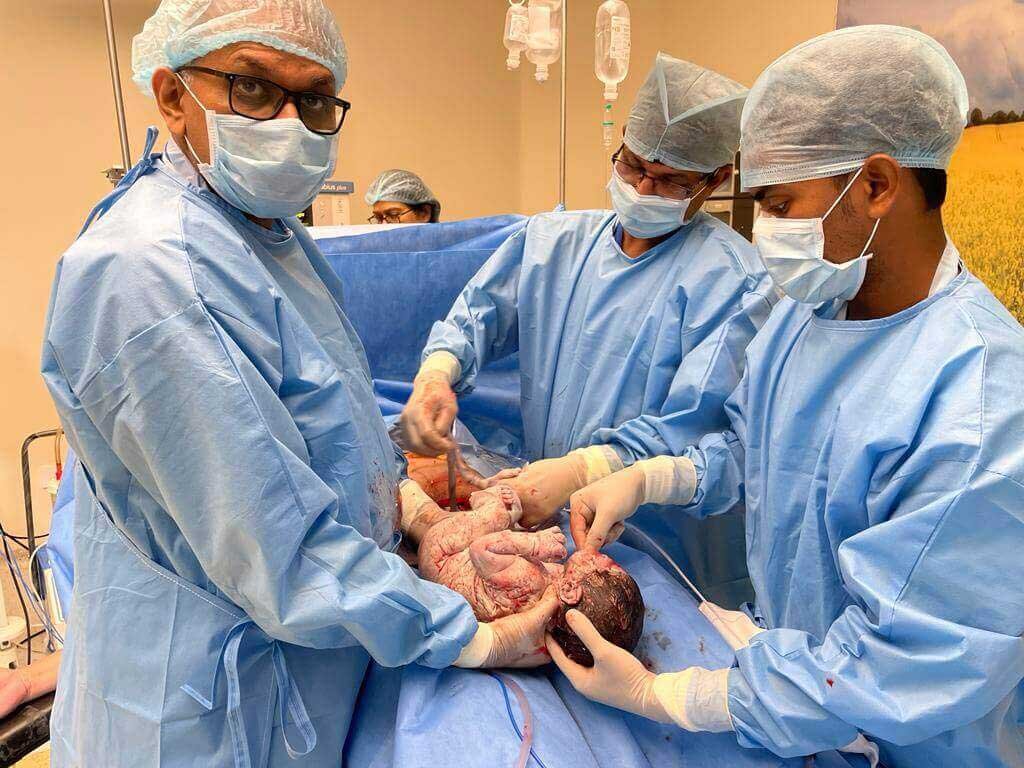
❌ Myth 1: A C-Section Is the “Easy Way Out”
✅ Fact:
One of the biggest misconceptions is that a C-section is easier than a vaginal birth.
In reality, a Cesarean section is a major abdominal surgery. During the procedure, the doctor makes an incision through the abdomen and uterus to safely deliver the baby. It requires skilled surgical expertise, anesthesia, careful monitoring, and post-operative care.
Recovery from a C-section often takes several weeks, and mothers may experience pain, limited mobility, and the need for additional support during the healing process.
Choosing or requiring a C-section is never about taking an easier path—it’s about ensuring the safest possible outcome for both mother and child.
❌ Myth 2: You Can Never Have a Normal Delivery After a C-Section
✅ Fact:
Many women successfully have a Vaginal Birth After Cesarean (VBAC).
Whether a normal delivery is possible after a previous C-section depends on several factors, including:
- The reason for the previous C-section
- The type of uterine incision
- The mother’s overall health
- The baby’s position
- The current pregnancy’s progress
Not every woman is a suitable candidate for VBAC, but many are. An experienced gynaecologist in Newtown Kolkata can evaluate your pregnancy and help determine the safest delivery option based on your individual medical history.
❌ Myth 3: Recovery After a C-Section Is Always Quick and Painless
✅ Fact:
Recovery differs for every mother.
Since a C-section is major surgery, healing generally takes longer than a vaginal delivery. During the first few weeks, mothers may experience:
- Abdominal discomfort
- Fatigue
- Difficulty lifting heavy objects
- Pain around the incision site
- Limited movement
Following your doctor’s advice, maintaining proper wound care, eating a nutritious diet, and getting adequate rest all play important roles in recovery.
Every woman’s body heals differently, so patience and proper medical guidance are essential.
❌ Myth 4: A C-Section Makes You “Less of a Mother”
✅ Fact:
Absolutely not.
The method of childbirth does not define motherhood.
Whether your baby is born through a vaginal delivery or a C-section, what truly matters is the love, care, and dedication you provide as a parent.
Many C-sections are performed during emergencies to protect the lives of both mother and baby. Choosing the safest delivery method based on medical advice is a responsible and courageous decision—not a reflection of a mother’s strength or ability.
Every birth story is unique, and every mother deserves respect and appreciation.
❌ Myth 5: C-Sections Are Always Planned
✅ Fact:
While some Cesarean deliveries are scheduled in advance, many are performed unexpectedly due to complications during labour.
A C-section may become necessary if:
- Labour does not progress normally
- The baby shows signs of distress
- The baby is in a breech or transverse position
- There are multiple pregnancies
- Placenta-related complications occur
- The mother has certain medical conditions that make vaginal delivery unsafe
The primary goal is always a safe delivery for both mother and baby.
When Is a C-Section Recommended?
A doctor may recommend a Cesarean delivery in situations such as:
- Fetal distress
- Previous complicated uterine surgery
- Placenta previa
- Large baby (macrosomia)
- Multiple pregnancies
- Obstructed labour
- Cord prolapse
- Maternal health conditions requiring surgical delivery
Every recommendation is based on careful medical assessment and prioritizes the health of both mother and child.
How to Prepare for a Healthy Delivery
Regardless of the delivery method, expectant mothers can improve pregnancy outcomes by:
- Attending regular prenatal check-ups
- Eating a balanced, nutritious diet
- Staying physically active as advised by the doctor
- Managing existing medical conditions
- Following prescribed medications
- Discussing birth preferences with your obstetrician
- Maintaining a positive mindset and reducing stress
Remember, flexibility is important because childbirth can sometimes take unexpected turns.
Trust Your Doctor, Not the Myths
The internet and social media are filled with opinions, but every pregnancy is unique. Decisions regarding childbirth should always be based on professional medical advice rather than myths or misinformation.
If your doctor recommends a C-section, it is because the benefits outweigh the risks for your specific situation. The ultimate goal is a healthy mother and a healthy baby.
Consult Dr. Sankar Dasmahapatra
If you are looking for an experienced gynaecologist in Newtown Kolkata, Dr. Sankar Dasmahapatra provides comprehensive pregnancy care, antenatal guidance, high-risk pregnancy management, and personalized delivery planning.
Every pregnancy is different, and every mother deserves compassionate care, evidence-based guidance, and respectful support throughout her journey.
Final Thoughts
A C-section is not the easy way out. It is a major surgical procedure that can be life-saving for both mother and baby. Whether your baby arrives through a vaginal birth or a Cesarean delivery, what truly matters is a safe birth, a healthy family, and the incredible strength of every mother.
Book a Consultation
Schedule your consultation today with Dr. Sankar Dasmahapatra, now available at a leading hospital in Kolkata.
 Dial: (+91) 87776 13551 / 92306 16647 / 98300 78757
 WhatsApp: 98300 78757
Recent Post
-
 Can Every Mother Have a Normal Delivery? Factors That Influence Birth October 6, 2026 21:40
 -
 How to Prepare Your Body for a Healthy Pregnancy - Dr. Sankar Dasmahapatra October 3, 2026 20:16
 -
 Treatment and Recovery After Miscarriage and Ectopic Pregnancy September 27, 2026 20:32
 -
 PCOS কেন বাড়ছে? আধুনিক জীবনযাপন, খাবার ও স্ট্রেসের সঙ্গে এর সম্পর্ক September 24, 2026 19:17
 -
 Understanding Gynae Laparoscopic Surgery in Kolkata: A Modern Approach to Women’s Health September 22, 2026 14:51