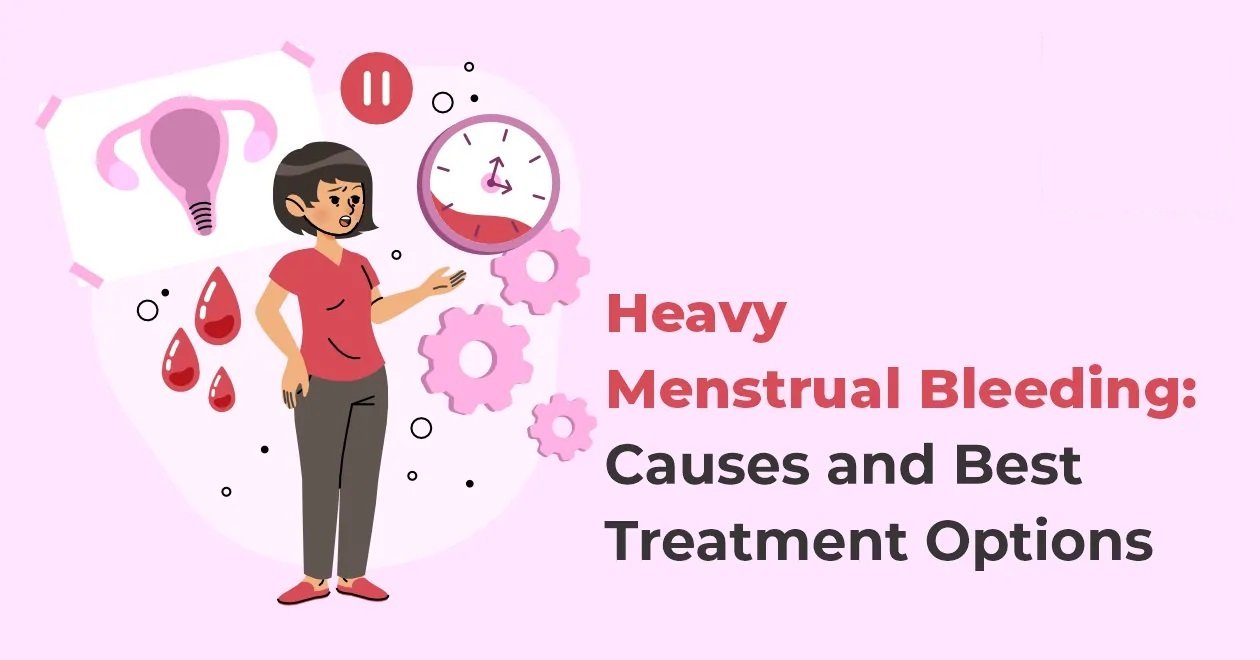
Heavy Menstrual Bleeding: Causes and Treatment Options
For many women, menstruation is a normal monthly occurrence. However, when periods become unusually heavy or prolonged, they can interfere with daily life, affect physical health, and reduce overall well-being. Heavy menstrual bleeding, medically known as menorrhagia, is a common gynecological concern that should never be ignored. While many women assume heavy periods are normal, they may actually indicate an underlying health condition that requires medical attention.
If you are looking for the best gynecologist in Kolkata, consulting an experienced specialist can help identify the cause and recommend the most suitable treatment.

What Is Heavy Menstrual Bleeding?
Heavy menstrual bleeding refers to menstrual periods that are significantly heavier or last longer than usual. A woman may have heavy periods if she:
- Bleeds for more than seven days.
- Soaks through one or more sanitary pads or tampons every hour for several consecutive hours.
- Needs to change sanitary protection during the night.
- Passes large blood clots frequently.
- Experiences fatigue, weakness, or dizziness due to excessive blood loss.
Ignoring these symptoms can lead to iron-deficiency anemia and affect your overall quality of life.
Common Causes of Heavy Menstrual Bleeding
Heavy menstrual bleeding can result from several medical conditions. Identifying the exact cause is essential for proper treatment.
1. Hormonal Imbalance
An imbalance between estrogen and progesterone can cause the uterine lining to become excessively thick, resulting in heavier bleeding during menstruation. This is common during adolescence, perimenopause, and in women with PCOS.
2. Uterine Fibroids
Fibroids are non-cancerous growths in the uterus that often cause prolonged or excessive menstrual bleeding, pelvic pressure, and painful periods.
3. Adenomyosis
This condition occurs when the inner lining of the uterus grows into the muscular wall of the uterus, leading to heavy, painful periods.
4. Endometrial Polyps
Small, benign growths inside the uterus may cause irregular or excessive bleeding between or during menstrual cycles.
5. Polycystic Ovary Syndrome (PCOS)
Women with PCOS often experience irregular ovulation, which can lead to prolonged menstrual cycles followed by heavy bleeding.
6. Bleeding Disorders
Inherited clotting disorders can make menstrual bleeding unusually heavy from adolescence onward.
7. Thyroid Disorders
Both underactive and overactive thyroid conditions can disrupt hormonal balance and affect menstrual flow.
When Should You See a Gynecologist?
You should seek medical advice if:
- Heavy bleeding continues for several months.
- You experience severe menstrual pain.
- You develop fatigue, weakness, or breathlessness.
- Your periods interfere with work or daily activities.
- You notice bleeding between periods or after menopause.
Early diagnosis helps prevent complications and allows timely treatment.
How Is Heavy Menstrual Bleeding Diagnosed?
A gynecologist will evaluate your symptoms and medical history before recommending appropriate investigations. These may include:
- Pelvic examination
- Blood tests to check for anemia or hormonal imbalance
- Ultrasound scan
- Pap smear (when indicated)
- Hysteroscopy
- Endometrial biopsy in selected patients
Accurate diagnosis helps determine the most effective treatment plan.
Treatment Options
Treatment depends on the underlying cause, age, future pregnancy plans, and overall health.
Lifestyle and Nutritional Support
Women with mild symptoms may benefit from:
- Iron-rich foods and iron supplements
- Maintaining a healthy body weight
- Regular exercise
- Adequate hydration
- Stress management
Medications
Several medicines can help reduce heavy menstrual bleeding, including:
- Hormonal contraceptive pills
- Progesterone therapy
- Tranexamic acid
- Non-steroidal anti-inflammatory drugs (NSAIDs)
- Hormonal intrauterine devices (IUDs)
These treatments are often effective for women who wish to avoid surgery.
Minimally Invasive Procedures
When medications are ineffective or structural abnormalities are present, minimally invasive procedures may be recommended, including:
- Hysteroscopic polyp removal
- Fibroid removal (myomectomy)
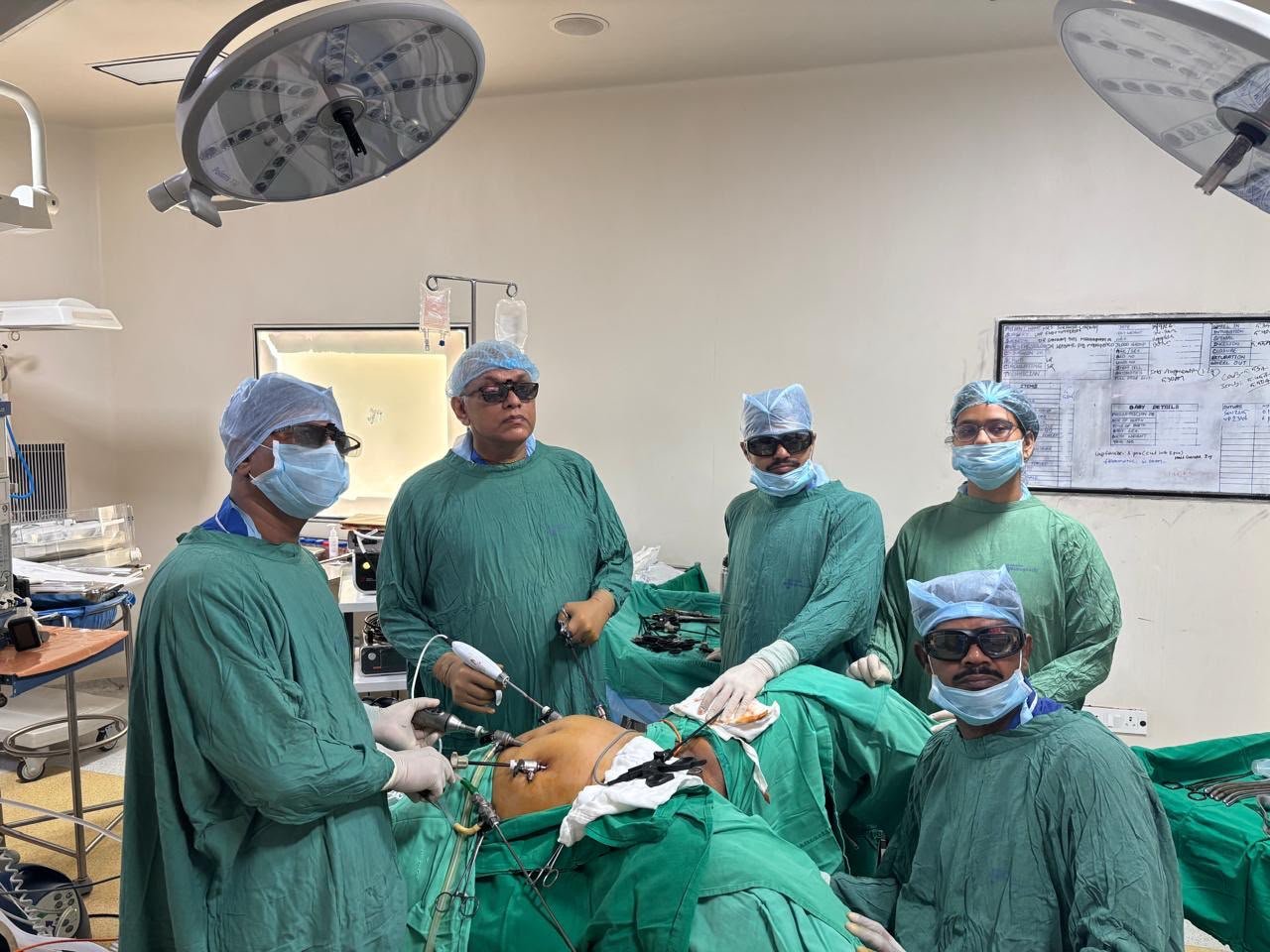
- Laparoscopic surgery for selected conditions
- Endometrial ablation (for women who have completed childbearing)
Surgical Treatment
In severe cases where other treatments fail, hysterectomy may be considered. Your gynecologist will discuss the risks, benefits, and alternatives before recommending surgery.
Can Heavy Menstrual Bleeding Be Prevented?
Although not all causes are preventable, you can reduce your risk by:
- Attending regular gynecological check-ups.
- Managing hormonal disorders early.
- Maintaining a healthy lifestyle.
- Seeking medical advice as soon as menstrual changes occur.
- Following your doctor’s treatment recommendations.
Consult Dr. Sankar Dasmahapatra
Heavy menstrual bleeding should never be dismissed as “just a heavy period.” Proper evaluation can identify the underlying cause and help you receive effective treatment before complications develop.
If you are searching for the best gynecologist in Kolkata, Dr. Sankar Dasmahapatra is a highly experienced Consultant Gynaecologist & Obstetrician, Infertility Specialist, and Laparoscopic Surgeon. He provides comprehensive diagnosis and personalized treatment for heavy menstrual bleeding, fibroids, adenomyosis, PCOS, endometriosis, and other gynecological conditions. With a patient-focused approach and advanced treatment options, Dr. Dasmahapatra is committed to helping women achieve better reproductive health and an improved quality of life. Schedule a consultation today for expert guidance and compassionate care.
Recent Post
-
 Can Every Mother Have a Normal Delivery? Factors That Influence Birth October 6, 2026 21:40
 -
 How to Prepare Your Body for a Healthy Pregnancy - Dr. Sankar Dasmahapatra October 3, 2026 20:16
 -
 Treatment and Recovery After Miscarriage and Ectopic Pregnancy September 27, 2026 20:32
 -
 PCOS কেন বাড়ছে? আধুনিক জীবনযাপন, খাবার ও স্ট্রেসের সঙ্গে এর সম্পর্ক September 24, 2026 19:17
 -
 Understanding Gynae Laparoscopic Surgery in Kolkata: A Modern Approach to Women’s Health September 22, 2026 14:51