
Is Your Period Pain Actually Normal? How to Recognise the Hidden Signs of Endometriosis
Menstrual pain is experienced by millions of women worldwide. Despite, being a seemingly normal occurrence for many, severe period pain may have more grave underlying causes. For too long, severe period pain has been dismissed as “normal.” However, this often masks endometriosis, a chronic and debilitating condition. Endometriosis affects an estimated 1 in 10 women globally. Diagnosis can be significantly delayed, sometimes by 7-10 years. This blog is meant to highlight key endometriosis symptoms to help you recognise when to seek medical advice, especially concerning some chronic pelvic pain causes in women.
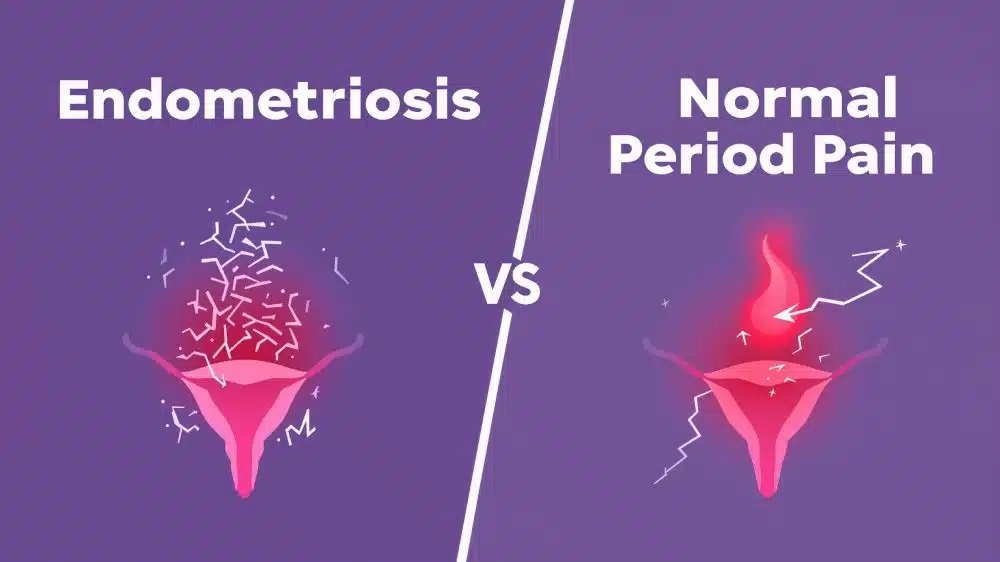
The Spectrum of Period Pain: When is it More Than Just “Normal”?
Experiencing discomfort during menstruation is common for many women. Pain in the lower abdomen, weakness, and mood swings are some common signs of discomfort experienced by women on those days. However, debilitating pain and very heavy bleeding that starts interfering with daily life, goes beyond normal. This makes the distinction between period pain v/s endometriosis all the more important to understand. Severe pain, which remains unresponsive to standard relief, or pain extending beyond your period, indicates a potential underlying condition like endometriosis.
Understanding Endometriosis
Endometriosis occurs when tissue similar to the uterine lining grows outside the uterus, often on ovaries, fallopian tubes, or other pelvic organs. Unlike uterine lining, this displaced tissue cannot exit the body. It responds to hormonal changes, leading to inflammation, pain, and adhesions (bands of scar tissue), resulting in being the leading chronic pelvic pain causes in women.
Key Endometriosis Symptoms
Some of the key endometriosis symptoms include:
- Severe Dysmenorrhea (Painful Periods): More intense than typical cramps, often debilitating and starting days before your period.
- Chronic Pelvic Pain: Persistent ache or sharp pain outside of menstruation, a primary factor in diagnosing pelvic pain causes in women.
- Dyspareunia (Pain During or After Sexual Activity): Common and distressing, often due to lesions.
- Painful Bowel Movements or Urination: Especially common during menstruation.
- Heavy or Irregular Bleeding: Heavy menstrual bleeding or bleeding between periods.
- Fatigue: Chronic pain and inflammation cause persistent tiredness.
- Infertility: A significant number of women with endometriosis experience infertility.
Diagnosing Endometriosis
Diagnosing endometriosis is done by thorough assessment of medical history, physical examinations and even surgical intervention.
Medical History, Physical Exam, and Imaging
Diagnosis for endometriosis symptoms should begin with a detailed discussion with your gynaecologist. Pelvic exam checks for abnormalities, and imaging tests, like transvaginal ultrasound or MRI, can identify larger lesions or endometriomas, helping map the extent of the condition.
The Definitive Endometriosis Diagnosis Test: Laparoscopy
Endometriosis is a significant health challenge, and the only definitive endometriosis diagnosis test is laparoscopic surgery. This minimally invasive approach involves use of a laparoscope (a narrow device with an attached camera) to locate and the tissue, which is then sent for biopsy. Once the required amount of tissue is extracted, doctors will likely destroy or remove more tissue suspected of endometriosis. This intervention often involves a multidisciplinary approach from specialists.
Managing Endometriosis: A Path towards Relief
While there is presently no cure for endometriosis, effective treatments manage symptoms and improve fertility. Treatment plans are personalised based on symptom severity, age, and fertility goals.
- Medical Management: Hormonal therapies suppress endometrial tissue growth; pain management strategies are also employed.
- Surgical Management: Laparoscopic excision removes endometrial tissue, relieving pain and improving fertility.
Care Essentials
Some essential, yet simple approaches are necessary for recognising endometriosis symptoms:
- Do’s: Track symptoms, seek prompt medical advice, maintain a healthy lifestyle, and educate yourself regarding symptoms.
- Don’ts: Dismiss severe pain, delay seeking help, self-diagnose, or hesitate to get a second opinion.
Conclusion
Manipal Hospitals Salt Lake aims to empower women to differentiate typical menstrual discomfort from serious health issues, as understanding your body’s signals is key to early diagnosis and effective management. If you experience these severe and persistent symptoms, your pain may not be “normal” and could indicate endometriosis. Early recognition of these endometriosis symptoms is vital. If you are experiencing severe menstrual pain, chronic pelvic pain, or other concerning symptoms, seek timely medical advice. Book an appointment with our expert gynaecologists at Manipal Hospitals Salt Lake today for compassionate care, accurate diagnosis, and effective treatment. Our multidisciplinary team ensures holistic care, providing appropriate and effective treatment.
FAQs
- Is pregnancy a cure for endometriosis?
The claim that pregnancy cures endometriosis is likely false. While pregnancy can bring temporary relief due to pause in menstruation and ovulation, endometriosis symptoms may return post-childbirth, especially once menstruation resumes.
- Can endometriosis affect fertility?
Yes, endometriosis is a leading cause for infertility, due to inflammation and adhesions in the uterus and other surrounding organs.
- What is the main difference between normal period pain and endometriosis pain?
Normal pain is mild, responds to OTC relief; endometriosis pain is severe, debilitating, often unresponsive, and chronic.
- What is the best way to diagnose endometriosis?
Laparoscopic surgery is the gold standard endometriosis diagnosis test, where the tissue is extracted and sent for biopsy to get accurate diagnosis.
- What are some key endometriosis symptoms to look out for?
Some important warning signs of endometriosis include severe pelvic pain, heavy or irregular bleeding, painful bowel and bladder movement, especially during periods, pain after sexual activity and infertility.
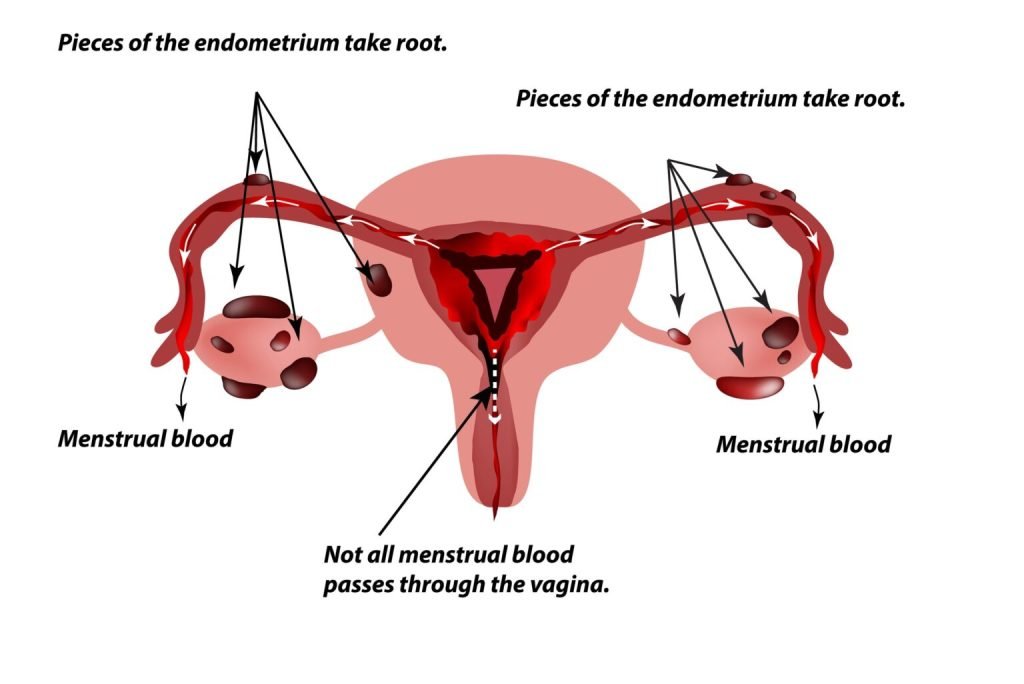
Endometriosis Symptoms
- Severe Dysmenorrhea (Painful Periods).
- Chronic Pelvic Pain
- Dyspareunia (Pain During or After Sexual Activity)
- Painful Bowel Movements or Urination
- Heavy or Irregular Bleeding
- Fatigue
- Infertility
Book Your Consultation Today
Book your appointment today and take the first step toward expert gynecological care you can trust.
 Manipal Hospital, Salt Lake – IB-193, Sector-III, Salt Lake, Kolkata -700 091, West Bengal, India
Millennium Clinic – Teghoria Main Road, Near VIP Road, Kanchanjhunjha Apartment, Kolkata – 700059
 Call now to book your appointment!
Dial: (+91) 87776 13551/ 92306 16647/ 98300 78757
WhatsApp: 98300 78757
Recent Post
-
 Can Every Mother Have a Normal Delivery? Factors That Influence Birth October 6, 2026 21:40
 -
 How to Prepare Your Body for a Healthy Pregnancy - Dr. Sankar Dasmahapatra October 3, 2026 20:16
 -
 Treatment and Recovery After Miscarriage and Ectopic Pregnancy September 27, 2026 20:32
 -
 PCOS কেন বাড়ছে? আধুনিক জীবনযাপন, খাবার ও স্ট্রেসের সঙ্গে এর সম্পর্ক September 24, 2026 19:17
 -
 Understanding Gynae Laparoscopic Surgery in Kolkata: A Modern Approach to Women’s Health September 22, 2026 14:51