
Uterine Fibroids and Pregnancy: Can You Conceive After Fibroid Surgery?
Uterine fibroids are a common gynaecological concern among women of reproductive age. While many fibroids do not cause noticeable symptoms, some can affect menstrual health, fertility and pregnancy. For women planning to become mothers, receiving a diagnosis of uterine fibroids often raises an important question: Can I conceive after fibroid surgery?
The good news is that many women can achieve a healthy pregnancy after fibroid removal surgery. However, the outcome depends on factors such as the size, number and location of fibroids, the surgical procedure performed and the woman’s overall reproductive health.
If you are planning a pregnancy and have been diagnosed with uterine fibroids, consulting an experienced gynaecologist in Kolkata can help you understand your treatment options and plan the next steps.
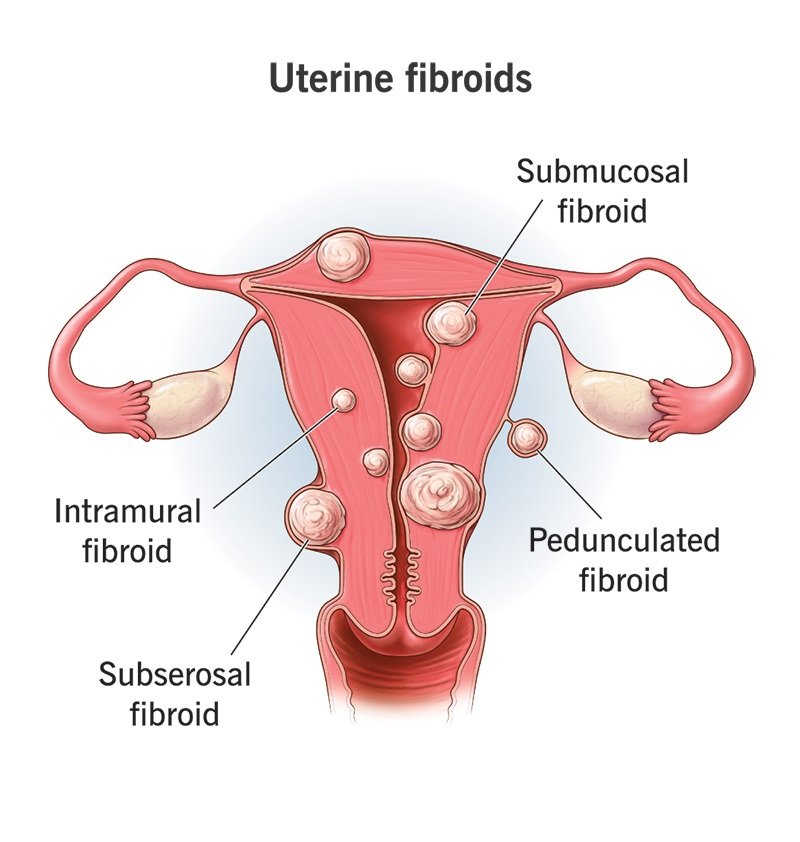
How Can Uterine Fibroids Affect Fertility?
Uterine fibroids are non-cancerous growths that develop in or around the uterus. Their effect on fertility depends largely on where they are located and how they influence the uterine cavity.
Some fibroids may interfere with conception by:
- Changing the shape of the uterine cavity and affecting embryo implantation.
- Blocking or affecting the opening of the fallopian tubes.
- Increasing the risk of certain pregnancy complications.
- Causing heavy menstrual bleeding, which may contribute to anaemia.
- Affecting the normal functioning of the uterine lining.
Submucosal fibroids, which grow towards the uterine cavity, are particularly associated with fertility problems. However, not every woman with fibroids experiences difficulty becoming pregnant.
Can You Conceive After Fibroid Removal Surgery?
Yes, many women can conceive after fibroid removal surgery, medically known as myomectomy. This procedure removes fibroids while preserving the uterus, making it an important treatment option for women who wish to have children in the future.
Depending on the patient’s condition, myomectomy may be performed through:
- Laparoscopic Myomectomy: A minimally invasive procedure performed through small abdominal incisions using specialised instruments.
- Hysteroscopic Myomectomy: Used to remove suitable fibroids growing inside the uterine cavity, without external abdominal incisions.
- Open Myomectomy: May be recommended when fibroids are very large, numerous or unsuitable for minimally invasive surgery.
The appropriate surgical approach depends on the fibroid’s size, location, number and depth, along with the patient’s fertility goals.
How Does Fibroid Surgery Improve Pregnancy Chances?
When fibroids distort the uterine cavity or interfere with implantation, removing them may improve the chances of conception in selected women.
Potential benefits of myomectomy include:
- Improved Uterine Cavity: Removing cavity-distorting fibroids may create a more favourable environment for embryo implantation.
- Preservation of the Uterus: Unlike hysterectomy, myomectomy retains the uterus for future pregnancy.
- Relief from Symptoms: Heavy bleeding, pelvic discomfort and pressure symptoms may improve after surgery.
- Better Pregnancy Planning: Treatment can address fibroids that may affect reproductive outcomes or pregnancy management.
It is important to remember that surgery does not guarantee pregnancy. Age, ovarian reserve, fallopian tube health, sperm quality and other fertility factors also play important roles.
When Can You Try to Conceive After Fibroid Surgery?
One of the most common questions women ask is how long they should wait before trying for pregnancy after myomectomy.
There is no single waiting period that applies to everyone. The recommended interval depends on the surgical technique, the depth and location of the fibroid, the extent of uterine muscle repair and the healing process.
Your doctor will assess your recovery and advise when it is appropriate to start trying to conceive. Following medical advice is particularly important because the uterus needs adequate time to heal after surgery.
Is Pregnancy Safe After Laparoscopic Myomectomy?
Many women have successful pregnancies after laparoscopic myomectomy. However, pregnancy management may require additional attention depending on how deeply the fibroids were embedded in the uterine wall and how the uterus was repaired.
In some cases, the doctor may recommend a planned Caesarean delivery rather than vaginal birth, depending on the surgical findings and the condition of the uterine scar.
Regular antenatal check-ups and an individualised delivery plan help support maternal and baby health.
Important Factors to Consider Before Fibroid Surgery
Before recommending surgery, a gynaecologist generally evaluates:
- The number, size and location of fibroids.
- Whether the fibroids distort the uterine cavity.
- Your age and future pregnancy plans.
- Menstrual symptoms and medical history.
- Ovarian reserve and other fertility-related factors, where appropriate.
- Previous abdominal or uterine surgeries.
Ultrasound, pelvic imaging and other investigations may be advised to understand the condition more clearly and select the most suitable treatment.
Consult Dr. Sankar Dasmahapatra for Fibroid and Fertility Care in Kolkata
Choosing the right treatment for uterine fibroids is an important decision, particularly when future pregnancy is a priority. Dr. Sankar Dasmahapatra is a Consultant Gynaecologist and Obstetrician, Infertility Specialist and Laparoscopic Surgeon in Kolkata.
With experience in laparoscopic and hysteroscopic gynaecological procedures, Dr. Dasmahapatra provides individualised evaluation and treatment planning for women dealing with uterine fibroids and fertility-related concerns.
If you are looking for an experienced gynaecologist in Kolkata, a consultation can help you understand whether fibroid removal is necessary and which treatment approach may be suitable for your reproductive goals.
Book a Consultation
Dr. Sankar Dasmahapatra
Consultant Gynaecologist & Obstetrician
Infertility Specialist & Laparoscopic Surgeon
Phone: +91 87776 13551
Chamber Locations:
- Bhagirathi Neotia Hospital, Newtown – 10 AM to 12 Noon
- Millennium Clinic, VIP Road, Teghoria – 5 PM to 7 PM
Frequently Asked Questions (FAQs)
1. Can I get pregnant naturally after fibroid removal surgery?
Yes. Many women conceive naturally after myomectomy, particularly when fibroids affecting the uterine cavity have been removed. Individual fertility factors also influence the outcome.
2. Does fibroid surgery increase the chances of pregnancy?
In selected women, removing fibroids that distort the uterine cavity may improve reproductive outcomes. However, surgery is not necessary for every woman with fibroids.
3. Can fibroids come back after surgery?
Yes. New fibroids may develop or existing small fibroids may grow after myomectomy. Regular follow-up helps monitor uterine health.
4. Is laparoscopic myomectomy better than open surgery?
Laparoscopic surgery offers smaller incisions and often faster recovery, but it is not suitable for every case. The best approach depends on the fibroids and the surgeon’s assessment.
5. Will I need a C-section after fibroid removal?
Not necessarily. The recommended mode of delivery depends on the depth of uterine incisions, the extent of uterine muscle repair and other clinical findings. Your gynaecologist will guide you.
Recent Post
-
Uterine Fibroids and Pregnancy: Can You Conceive After Fibroid Surgery? November 20, 2026 22:31
-
 Fibroid Surgeon in India Kolkata | Dr. Sankar Dasmahapatra November 9, 2026 20:28
-
 Endometriosis Pain Relieving Surgery in India | Dr. Sankar Dasmahapatra November 2, 2026 19:44
-
Endometriosis Specialist in India: Dr. Sankar Dasmahapatra October 26, 2026 19:54
-
 Can Every Mother Have a Normal Delivery? Factors That Influence Birth October 6, 2026 21:40