Fibroid Surgeon in India Kolkata | Dr. Sankar Dasmahapatra
Uterine fibroids are a common gynaecological condition affecting women during their reproductive years. Although these growths are usually non-cancerous, they can sometimes cause discomfort, heavy menstrual bleeding, pelvic pain and difficulties with conception. For women experiencing these symptoms, choosing an experienced fibroid surgeon in India Kolkata can be an important step towards receiving the right diagnosis and treatment.
With advancements in modern gynaecology, fibroids can now be managed through different approaches, including medication, minimally invasive procedures and surgical treatment. Understanding the available options helps women make informed decisions about their reproductive and overall health.
What Are Uterine Fibroids?
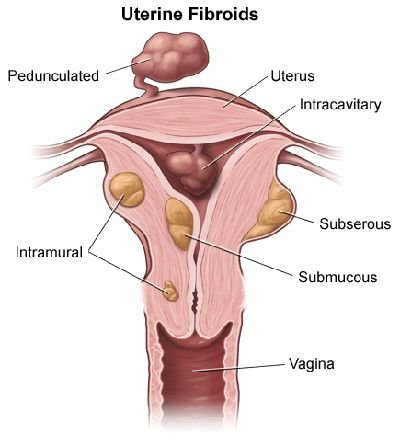
Uterine fibroids, medically known as leiomyomas, are non-cancerous growths that develop in or around the muscular wall of the uterus. Their size, number and location can vary considerably. Some women may have small fibroids without experiencing any noticeable symptoms, while others may develop larger growths that affect their daily lives.
Depending on their location, fibroids are generally classified into three major types:
- Intramural Fibroids: These develop within the muscular wall of the uterus.
- Submucosal Fibroids: These grow towards the inner uterine cavity and may contribute to heavy menstrual bleeding or fertility problems.
- Subserosal Fibroids: These develop on the outer surface of the uterus and may cause pelvic pressure or discomfort.
Identifying the type and location of a fibroid is essential for deciding the most appropriate treatment.
Common Symptoms That Should Not Be Ignored
Not every woman with uterine fibroids experiences symptoms. However, when symptoms develop, they can interfere with everyday activities and quality of life.
Some common warning signs include:
- Heavy or prolonged menstrual bleeding
- Severe menstrual cramps
- Persistent pelvic pain or pressure
- Frequent urination
- Lower abdominal swelling or a feeling of fullness
- Pain during sexual intercourse
- Difficulty conceiving in certain cases
- Recurrent pregnancy complications in selected cases
Women experiencing these symptoms should consult a qualified gynaecologist for proper evaluation rather than relying on self-medication.
Can Uterine Fibroids Affect Fertility?
One of the biggest concerns among women diagnosed with fibroids is whether the condition can affect their ability to become pregnant.
The answer depends on the size, number and location of the fibroids. Fibroids that distort the uterine cavity, particularly submucosal fibroids, may interfere with embryo implantation. Certain intramural fibroids may also influence reproductive outcomes depending on their characteristics.
However, having fibroids does not automatically mean that a woman will experience infertility. Many women with uterine fibroids conceive naturally and have healthy pregnancies.
For women planning a pregnancy, an individualised assessment is important to determine whether treatment is necessary before conception.
Modern Treatment Options for Uterine Fibroids
Treatment is not always necessary for every fibroid. The decision depends on the patient’s symptoms, age, reproductive plans, fibroid characteristics and overall health.
An experienced fibroid surgeon in India Kolkata can assess the condition and recommend an appropriate treatment approach.
Some commonly considered treatment options include:
1. Medical Management
For women with mild symptoms, certain medications may help control heavy menstrual bleeding, reduce pain or manage other associated symptoms. However, medicines do not necessarily eliminate fibroids.
2. Hysteroscopic Myomectomy
This minimally invasive procedure may be suitable for selected submucosal fibroids. The surgeon accesses the uterine cavity through the vagina and cervix, avoiding an abdominal incision.
3. Laparoscopic Myomectomy
Laparoscopic surgery involves removing fibroids through small abdominal incisions using specialised instruments and a camera. It may be an appropriate option for selected women, particularly those who wish to preserve their uterus.
4. Open Myomectomy
In certain situations, especially when fibroids are very large, numerous or technically complex, an open surgical approach may be recommended.
5. Hysterectomy
For women who do not wish to have future pregnancies and have significant symptoms, hysterectomy may be considered after discussing the benefits, risks and alternatives.
The choice of treatment should always be based on a detailed medical evaluation.
Why Choose an Experienced Fibroid Surgeon?
Fibroid treatment requires more than simply removing an abnormal growth. The surgeon must consider uterine health, symptom relief, fertility goals and the possibility of recurrence.
When looking for a fibroid surgeon in India Kolkata, patients should consider:
- Experience in managing different types of uterine fibroids.
- Expertise in laparoscopic and minimally invasive gynaecological surgery.
- Understanding of fertility-preserving treatment options.
- Access to appropriate diagnostic investigations.
- Clear communication about treatment benefits, risks and recovery.
- Personalised care based on individual reproductive needs.
An informed discussion with the treating specialist can help patients understand which treatment is most suitable for their circumstances.
Consult Dr. Sankar Dasmahapatra for Fibroid Evaluation and Treatment
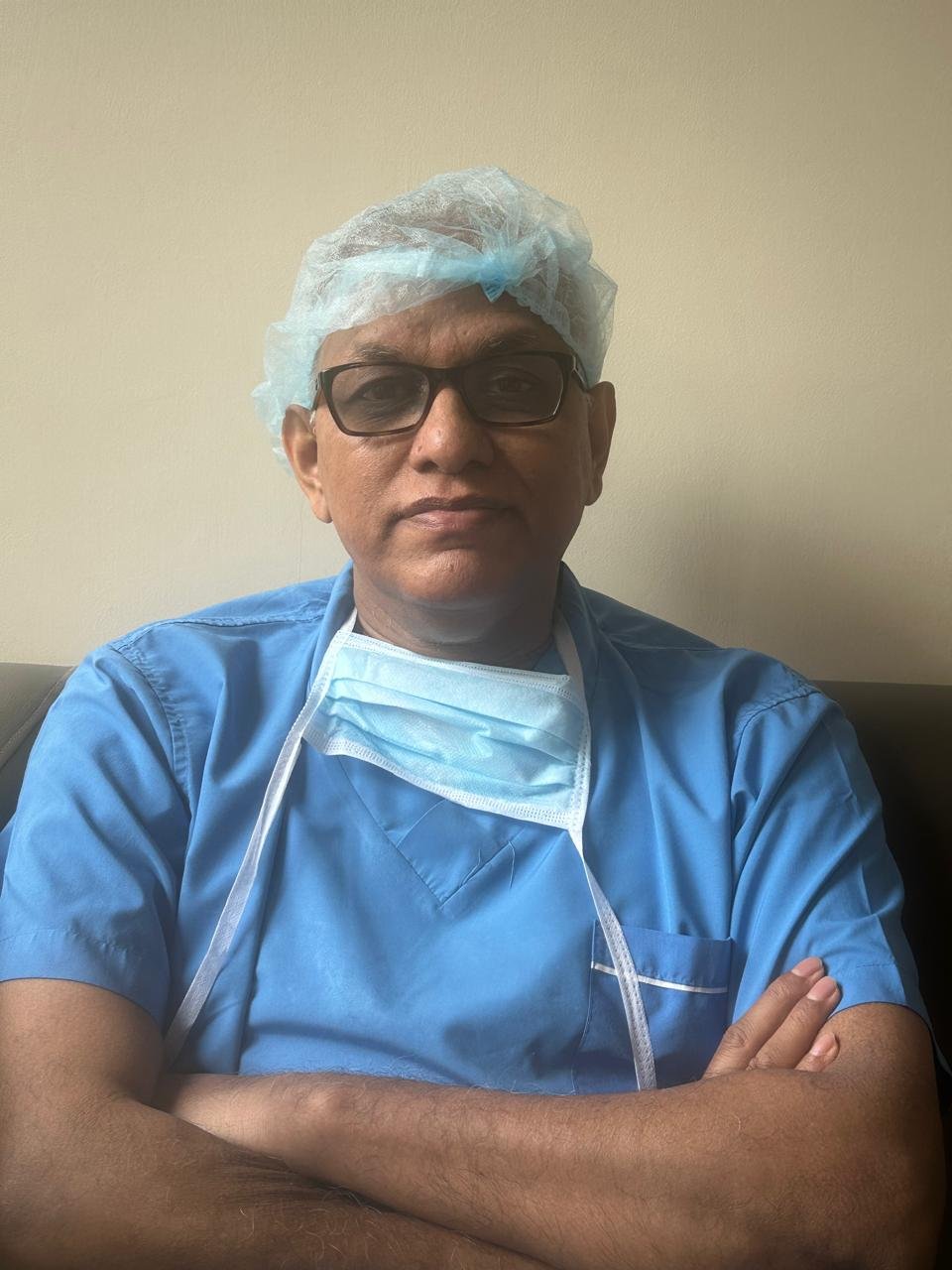
Dr. Sankar Dasmahapatra is a Consultant Gynaecologist and Obstetrician, Infertility Specialist and Laparoscopic Surgeon. He provides gynaecological care with attention to women’s reproductive health and individual treatment requirements.
Women experiencing heavy periods, pelvic discomfort, suspected uterine fibroids or fertility-related concerns can seek a professional consultation to understand their condition and available treatment options.
The right treatment approach begins with an accurate diagnosis and a clear understanding of each patient’s needs. Whether medical management or surgery is appropriate, timely consultation can help women take informed steps towards better reproductive health.
Frequently Asked Questions (FAQs)
1. Are uterine fibroids dangerous?
Most uterine fibroids are benign and are not cancerous. However, some may cause heavy bleeding, pain, pressure symptoms or reproductive difficulties that require medical attention.
2. Can fibroids be removed without removing the uterus?
Yes. Myomectomy is a surgical procedure that removes fibroids while preserving the uterus. It may be suitable for women who wish to retain their fertility, depending on their individual condition.
3. Is laparoscopic fibroid surgery better than open surgery?
Laparoscopic surgery may offer smaller incisions, less postoperative discomfort and faster recovery in appropriately selected patients. However, open surgery may be more suitable for certain complex cases.
4. Can fibroids return after surgery?
Yes. New fibroids may develop after myomectomy because the procedure removes existing fibroids but does not eliminate the tendency to develop them.
5. When should I consult a fibroid specialist?
Consult a gynaecologist if you experience unusually heavy periods, persistent pelvic pain, abdominal pressure, difficulty conceiving or other symptoms suggestive of uterine fibroids.
Recent Post
-
 Uterine Fibroids and Pregnancy: Can You Conceive After Fibroid Surgery? November 20, 2026 22:31
-
Fibroid Surgeon in India Kolkata | Dr. Sankar Dasmahapatra November 9, 2026 20:28
-
 Endometriosis Pain Relieving Surgery in India | Dr. Sankar Dasmahapatra November 2, 2026 19:44
-
Endometriosis Specialist in India: Dr. Sankar Dasmahapatra October 26, 2026 19:54
-
 Can Every Mother Have a Normal Delivery? Factors That Influence Birth October 6, 2026 21:40