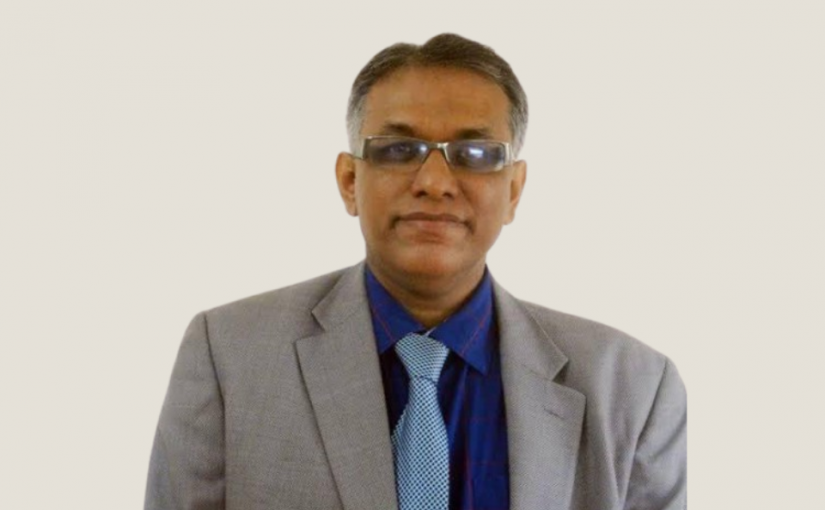
Endometriosis Specialist in India: Dr. Sankar Dasmahapatra
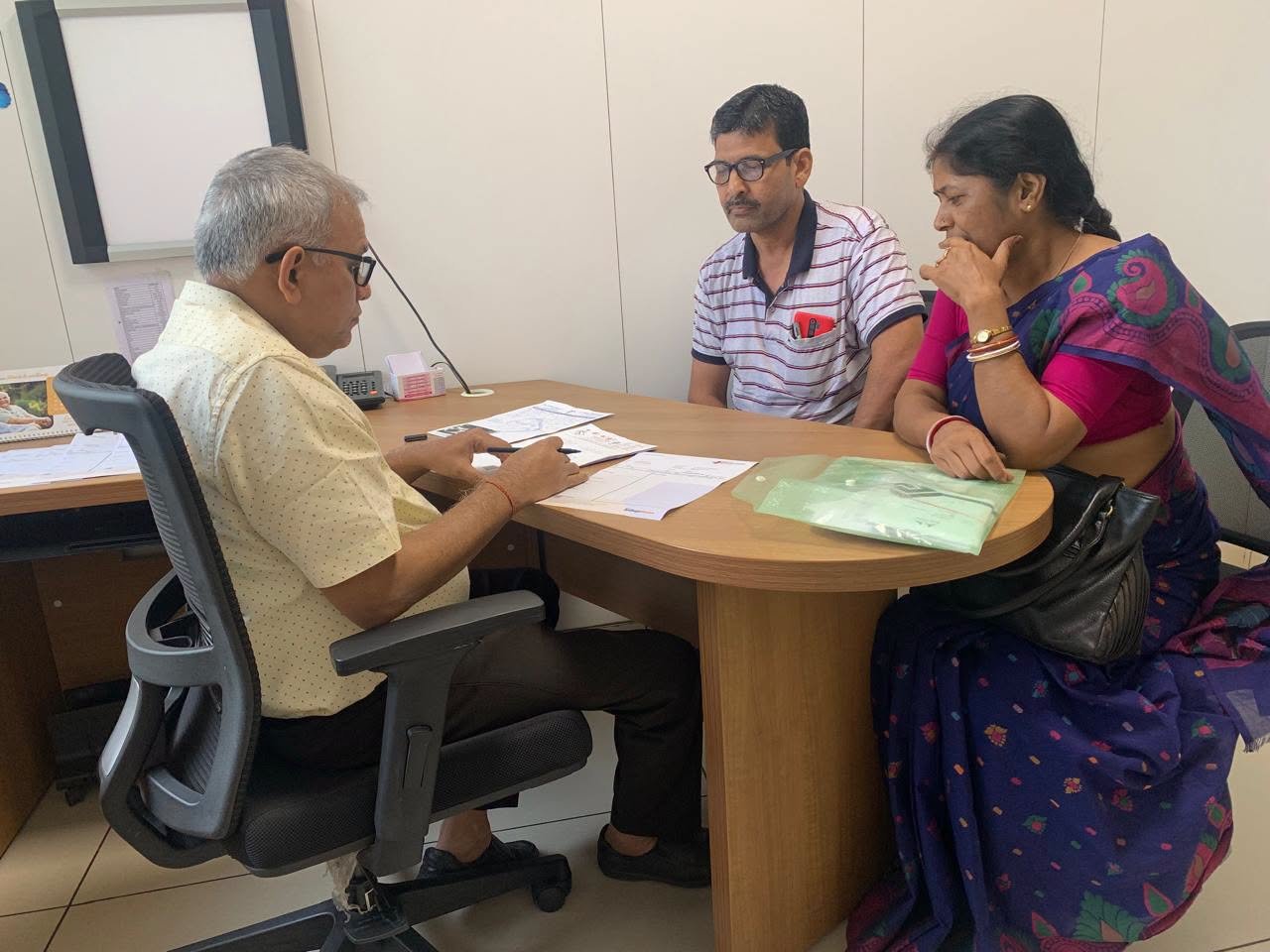
If you are searching for an Endometriosis specialist in India, understanding the condition, its warning signs, and the available treatment options is an important first step. Dr. Sankar Dasmahapatra, Consultant Gynaecologist & Obstetrician, Infertility Specialist and Laparoscopic Surgeon, provides gynaecological care for women seeking professional guidance for conditions affecting pelvic health and fertility.
What Is Endometriosis?
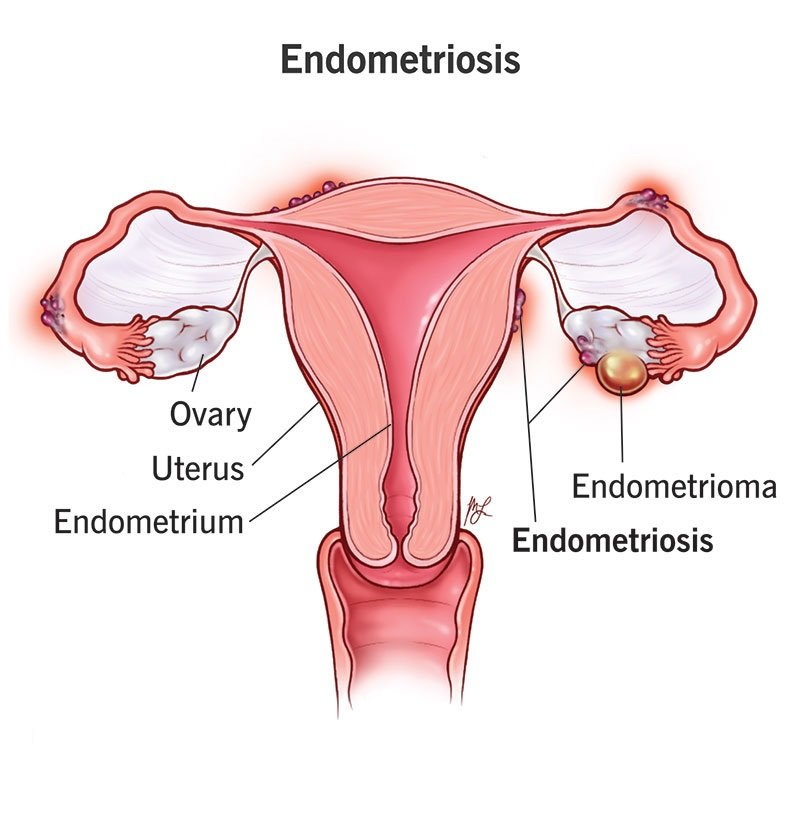
Endometriosis is a condition in which tissue similar to the lining of the uterus grows outside the uterus. These growths may occur on the ovaries, fallopian tubes, pelvic lining, or other nearby structures. In some cases, endometriosis can lead to inflammation, scar tissue, and adhesions that affect surrounding organs.
The symptoms and severity of endometriosis vary considerably. Some women experience severe pain, while others may have mild symptoms or discover the condition during fertility investigations. The extent of the disease does not always correspond to the intensity of the pain.
Common Symptoms of Endometriosis
Recognising the symptoms can help women seek medical advice at the right time. Common signs include:
- Painful periods: Menstrual cramps that interfere with daily activities or do not improve adequately with routine pain relief.
- Chronic pelvic pain: Pain that continues beyond menstruation or occurs at different times of the month.
- Pain during intercourse: Discomfort or deep pelvic pain during or after sexual activity.
- Bowel or bladder discomfort: Pain during bowel movements or urination, particularly around menstruation.
- Heavy or irregular bleeding: Some women experience heavy menstrual bleeding, although this is not present in every case.
- Difficulty conceiving: Endometriosis may affect fertility in some women.
These symptoms can overlap with other medical conditions. A gynaecological consultation is important for identifying the possible cause rather than relying on symptoms alone.
Why Consult an Endometriosis Specialist in India?
Endometriosis may require a combination of clinical assessment, imaging, symptom management, and fertility counselling. Consulting a gynaecologist with experience in endometriosis and laparoscopic surgery can help patients understand their condition and explore suitable treatment options.
When choosing an Endometriosis specialist in India, consider the doctor’s experience in managing pelvic pain, evaluating fertility concerns, performing minimally invasive surgery when appropriate, and explaining the benefits and limitations of different treatments.
Patients should also look for a doctor who considers their age, symptom severity, reproductive plans, and personal preferences before recommending treatment.
How Is Endometriosis Diagnosed?
Diagnosis usually begins with a detailed discussion of menstrual history, pain patterns, fertility concerns, and other symptoms. Depending on the findings, the doctor may recommend:
1. Clinical examination: A pelvic examination may help identify tenderness, restricted movement, or other signs, although a normal examination does not rule out endometriosis.
2. Ultrasound: Pelvic or transvaginal ultrasound can identify certain ovarian endometriomas and other pelvic abnormalities. However, it may not detect every type of endometriosis.
3. MRI: Magnetic resonance imaging may be recommended when deeper endometriosis is suspected or more detailed mapping is needed before treatment.
4. Laparoscopy: This minimally invasive surgical procedure may be considered in selected cases for diagnosis and treatment. Surgery is not necessary for every patient, and decisions should be based on individual circumstances.
Treatment Options for Endometriosis
There is no single treatment that suits every woman. The approach depends on the symptoms, disease characteristics, response to previous treatment, and whether pregnancy is a current priority.
Medication and Symptom Management
Pain-relieving medicines and hormonal treatments may help control pain and reduce symptoms. Hormonal treatment is not suitable for women trying to conceive while using it, so reproductive goals should be discussed before starting treatment.
Laparoscopic Surgery
Laparoscopic surgery uses small incisions and specialised instruments to treat selected cases of endometriosis. Depending on the findings, surgery may involve removing endometriosis lesions, treating ovarian endometriomas, or releasing adhesions.
The potential benefits and risks should be discussed carefully. Surgery does not guarantee permanent relief, and symptoms may return in some patients.
Endometriosis and Fertility
Endometriosis can affect fertility through several mechanisms, but many women with the condition can conceive naturally. Others may benefit from fertility assessment, surgical treatment in selected situations, or assisted reproductive techniques such as IVF.
Treatment decisions should balance pain relief, ovarian reserve, age, and pregnancy plans. Repeated ovarian surgery, for example, may affect ovarian reserve, making individualised counselling particularly important.
Frequently Asked Questions (FAQs)
1. What does an endometriosis specialist treat?
An endometriosis specialist evaluates symptoms such as painful periods, chronic pelvic pain, pain during intercourse, and fertility difficulties. Treatment may include medication, symptom management, fertility counselling, or surgery when appropriate.
2. When should I consult an endometriosis specialist in India?
Consider consulting a gynaecologist if menstrual pain disrupts daily activities, pelvic pain persists, symptoms are worsening, or you have concerns about fertility. Severe or sudden pelvic pain requires urgent medical assessment.
3. Can endometriosis cause infertility?
Yes, endometriosis can make conception more difficult for some women. However, it does not automatically mean infertility. The right approach depends on age, ovarian reserve, disease severity, and other fertility factors.
4. Is laparoscopic surgery necessary for every endometriosis patient?
No. Many women can manage their symptoms with medication and other non-surgical approaches. Laparoscopic surgery may be considered when symptoms persist, certain lesions are present, or specific fertility-related indications exist.
5. Can endometriosis come back after treatment?
Yes. Symptoms or lesions may recur after treatment, including surgery. Follow-up care and an individualised long-term management plan can help address recurring symptoms.
6. Can women with endometriosis become pregnant naturally?
Yes. Many women with endometriosis conceive naturally, although some may need fertility assistance. Early evaluation can help determine the most suitable options based on individual circumstances.
7. How can I book a consultation with Dr. Sankar Dasmahapatra?
You can contact Dr. Sankar Dasmahapatra at +91 87776 13551 for further information about consultations.
Recent Post
-
 Fibroid Surgeon in India Kolkata | Dr. Sankar Dasmahapatra November 9, 2026 20:28
-
Endometriosis Pain Relieving Surgery in India | Dr. Sankar Dasmahapatra November 2, 2026 19:44
-
Endometriosis Specialist in India: Dr. Sankar Dasmahapatra October 26, 2026 19:54
-
 Can Every Mother Have a Normal Delivery? Factors That Influence Birth October 6, 2026 21:40
-
 How to Prepare Your Body for a Healthy Pregnancy - Dr. Sankar Dasmahapatra October 3, 2026 20:16