
Endometriosis Pain Relieving Surgery in India | Dr. Sankar Dasmahapatra
With appropriate diagnosis and individualised care, Endometriosis pain relieving surgery in India can help women manage their symptoms and improve their quality of life.
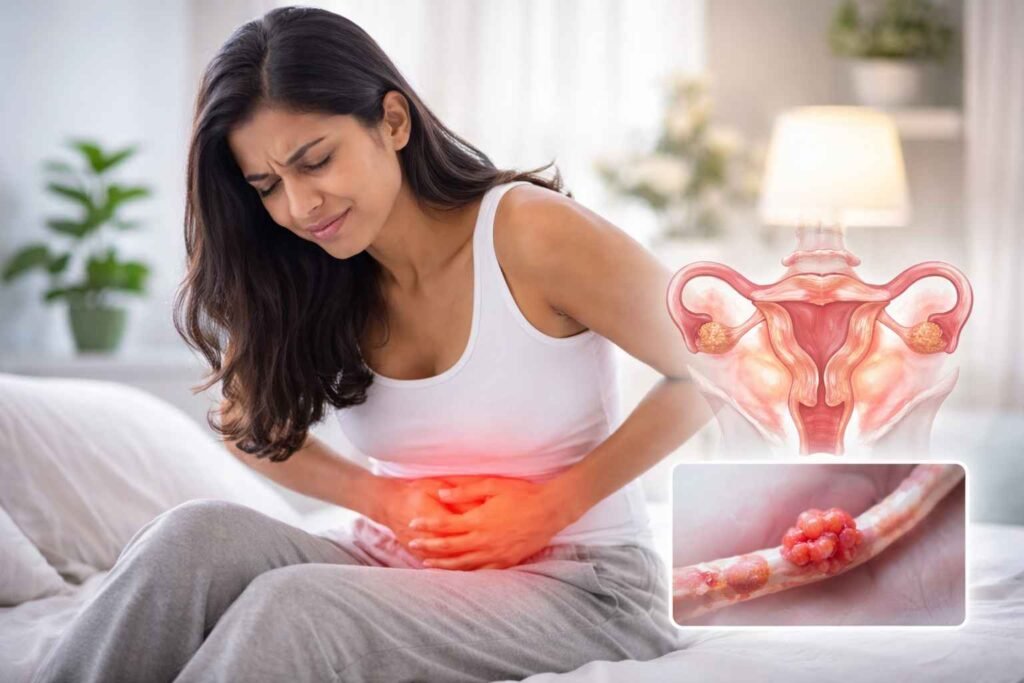
Understanding Endometriosis and Its Impact
Endometriosis is a condition in which tissue similar to the lining of the uterus grows outside it. These growths may develop around the ovaries, fallopian tubes, pelvic lining, bowel or bladder.
Over time, inflammation and scar tissue formation can cause organs to stick together. This may result in severe menstrual cramps, chronic pelvic pain, painful intercourse and difficulty conceiving.
However, every woman experiences endometriosis differently. Some have extensive disease with mild symptoms, while others experience significant pain even with limited visible lesions.
Recognising these symptoms early is important for choosing the right treatment approach.
When Is Surgery Recommended for Endometriosis?
Not every woman diagnosed with endometriosis requires surgery. Treatment depends on the severity of symptoms, disease location, previous treatment response and pregnancy plans.
Surgery may be considered when:
- Severe pelvic pain continues despite medication.
- Hormonal treatment is ineffective or unsuitable.
- Endometriosis cysts develop in the ovaries.
- Deep endometriosis affects the bowel, bladder or other pelvic structures.
- The condition is affecting daily activities or quality of life.
For women experiencing persistent symptoms, consulting an experienced gynaecologist can help determine whether surgical treatment is appropriate.
How Does Endometriosis Pain Relieving Surgery Work?
The primary aim of endometriosis surgery is to remove or treat endometriotic lesions, release adhesions and restore the normal anatomy of the pelvic organs wherever possible.
Laparoscopic Surgery: A Minimally Invasive Approach
Laparoscopy, commonly known as keyhole surgery, is frequently used for treating endometriosis.
During this procedure, small incisions are made in the abdomen. A camera and specialised instruments allow the surgeon to examine the pelvic area and treat the affected tissues.
Potential benefits include:
- Smaller surgical incisions
- Less postoperative discomfort compared with open surgery in many cases
- Shorter hospital stay
- Faster recovery for many patients
The exact surgical technique depends on the location and extent of endometriosis.
Excision and Removal of Endometriotic Lesions
Excision involves carefully removing endometriosis tissue from the affected areas. It may be considered for superficial or deep endometriosis, depending on the clinical findings.
In women with ovarian endometriomas, surgery may involve removing the cyst while taking care to preserve healthy ovarian tissue.
For deep endometriosis involving the bowel or bladder, a specialised surgical team may be required.
The objective is not simply to remove visible lesions but to relieve symptoms while protecting surrounding organs and future fertility.
Can Surgery Provide Long-Term Pain Relief?
Many women experience meaningful improvement in pain after endometriosis surgery. However, the outcome varies from person to person.
Endometriosis can recur, and surgery does not guarantee a permanent cure. Some women may require hormonal treatment after surgery to help reduce the risk of symptom recurrence, particularly when immediate pregnancy is not planned.
A comprehensive treatment plan may also include pain management, lifestyle support and regular follow-up.
Endometriosis Surgery in India: Choosing the Right Treatment
India offers access to specialised gynaecological care and minimally invasive surgical techniques. However, choosing the right treatment requires more than simply selecting a surgical procedure.
Women should understand the potential benefits, risks, recovery expectations and possible impact on fertility before making a decision.
Dr. Sankar Dasmahapatra, Consultant Gynaecologist & Obstetrician and Infertility Specialist & Laparoscopic Surgeon, believes that understanding each patient’s symptoms and reproductive goals is an essential part of treatment planning.
A personalised approach can help women make informed decisions about managing endometriosis and improving their quality of life.
If persistent pelvic pain or painful periods are affecting your daily routine, seeking a specialist consultation can be an important first step towards better care.
Frequently Asked Questions (FAQs)
1. Is surgery the best treatment for endometriosis?
Surgery is one treatment option. Medication, hormonal therapy and pain management may also be suitable. The best approach depends on symptoms, disease severity and pregnancy plans.
2. Can laparoscopic surgery relieve endometriosis pain?
Yes. Laparoscopic surgery can remove endometriotic lesions and adhesions, potentially reducing pain. However, results vary, and symptoms may return.
3. Does endometriosis surgery improve fertility?
In selected patients, surgery may improve fertility by treating adhesions or certain endometriotic lesions. The benefits depend on individual circumstances and ovarian reserve.
4. How long does recovery take after laparoscopic endometriosis surgery?
Recovery varies according to the extent of surgery. Many women resume light activities within a few days, while more extensive procedures may require several weeks of recovery.
5. Can endometriosis return after surgery?
Yes. Endometriosis may recur even after successful surgery. Follow-up care and, when appropriate, postoperative hormonal treatment may help manage recurrence risk.
Recent Post
-
 Uterine Fibroids and Pregnancy: Can You Conceive After Fibroid Surgery? November 20, 2026 22:31
-
 Fibroid Surgeon in India Kolkata | Dr. Sankar Dasmahapatra November 9, 2026 20:28
-
Endometriosis Pain Relieving Surgery in India | Dr. Sankar Dasmahapatra November 2, 2026 19:44
-
Endometriosis Specialist in India: Dr. Sankar Dasmahapatra October 26, 2026 19:54
-
 Can Every Mother Have a Normal Delivery? Factors That Influence Birth October 6, 2026 21:40